Luxury Residential Developers: Complete Guide to Vision, Technology, and Global Examples
Luxury residential developers are specialized real estate companies that design, build, and deliver high-end housing projects aimed at affluent buyers. Unlike standard developers, their focus is not just on building homes but on creating exclusive lifestyle experiences that combine architectural excellence, premium locations, and world-class amenities.
These developers cater to individuals who value privacy, comfort, and prestige. Their projects often include custom-designed villas, penthouses, high-rise apartments, and private communities. Every element, from materials to landscaping, is carefully curated to deliver not just functionality but also sophistication and luxury.
The Vision Behind Luxury Residential Development
Architectural Innovation and Aesthetics
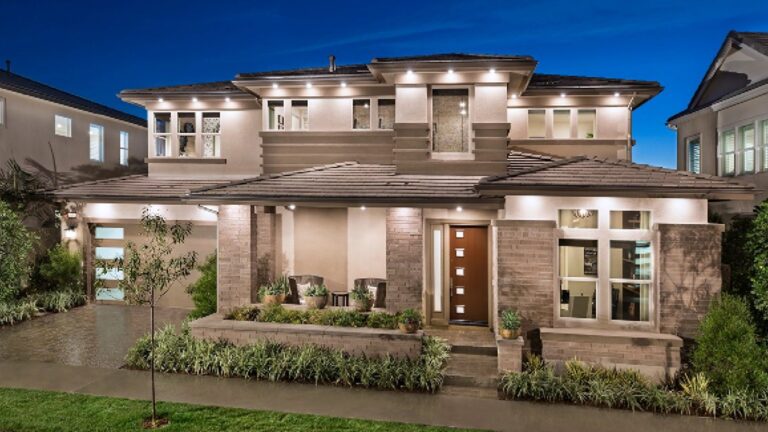
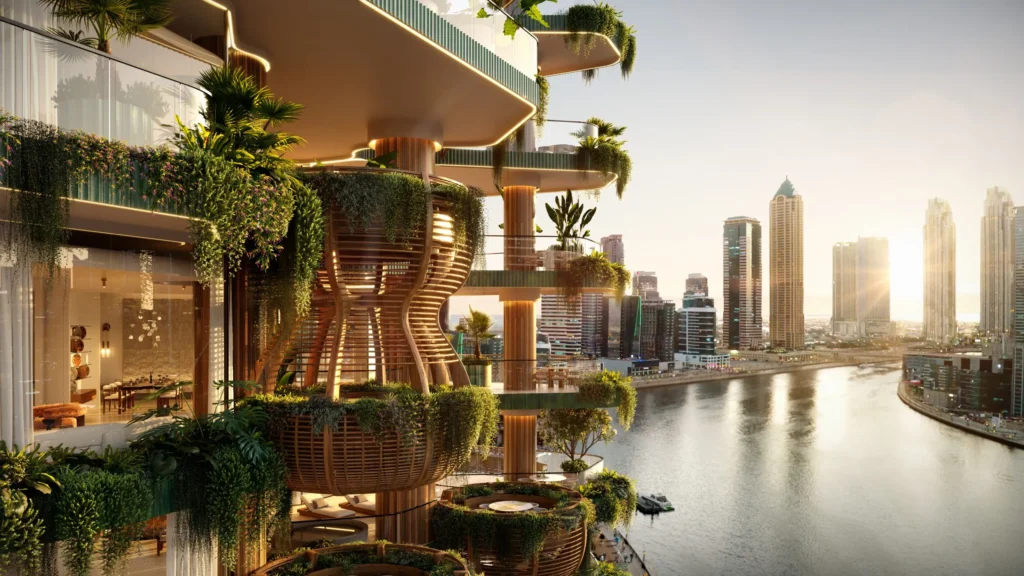
Luxury residential developers set themselves apart through bold architectural innovation. Their projects are designed by renowned architects and often become city landmarks. These properties balance modern design principles with timeless aesthetics, ensuring long-lasting appeal.
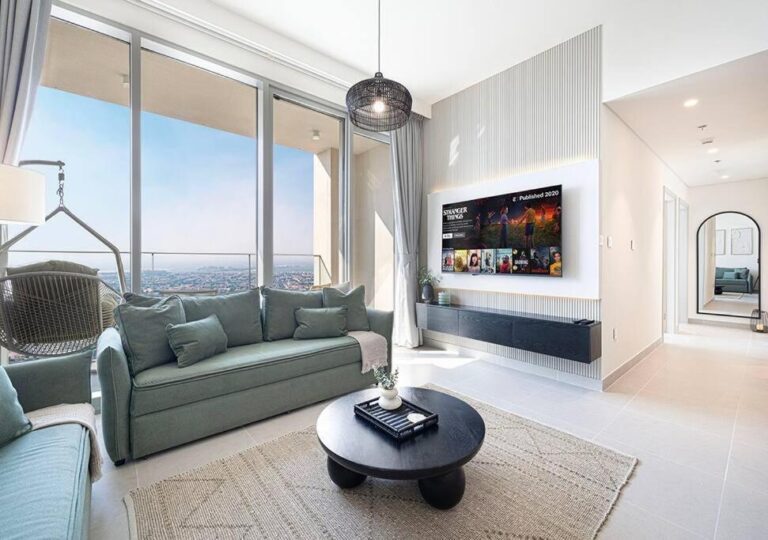
Developers pay close attention to detail, from façade treatments to interior layouts. Features like double-height ceilings, expansive glass walls, and panoramic views are standard. Such architectural creativity ensures that luxury developments remain desirable assets for decades.
Lifestyle-Driven Communities
Luxury homes are not just about interiors; they are about the lifestyle they provide. Developers design entire communities that integrate wellness centers, private clubs, golf courses, high-end retail, and green landscapes.
By creating self-contained environments, these developers ensure that residents experience convenience and exclusivity. A luxury residential community is designed to fulfill every need, from leisure and entertainment to work and relaxation ,without leaving the neighborhood.
Real-World Examples of Luxury Residential Developers
Example 1: DAMAC Properties (Dubai, UAE)
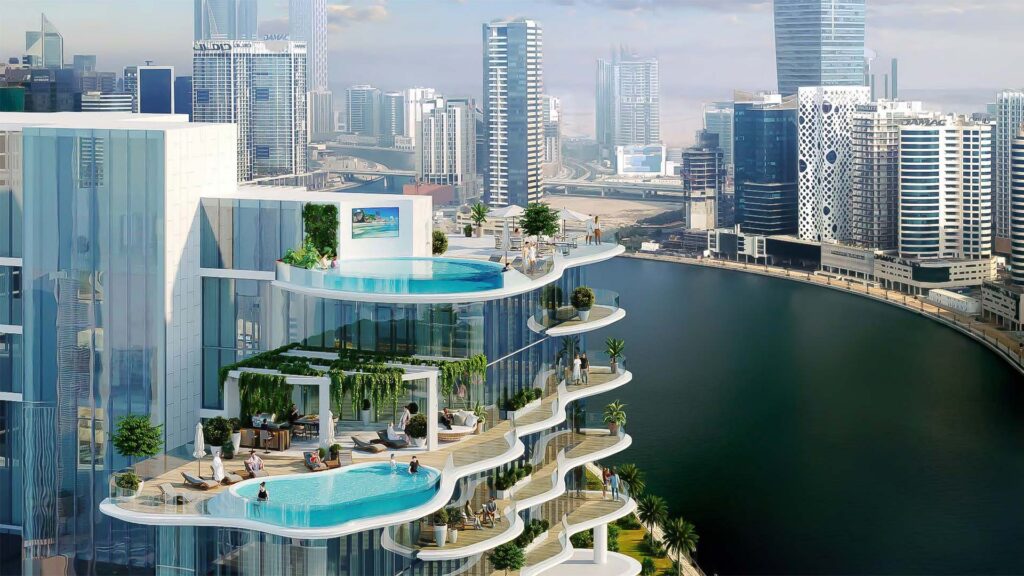
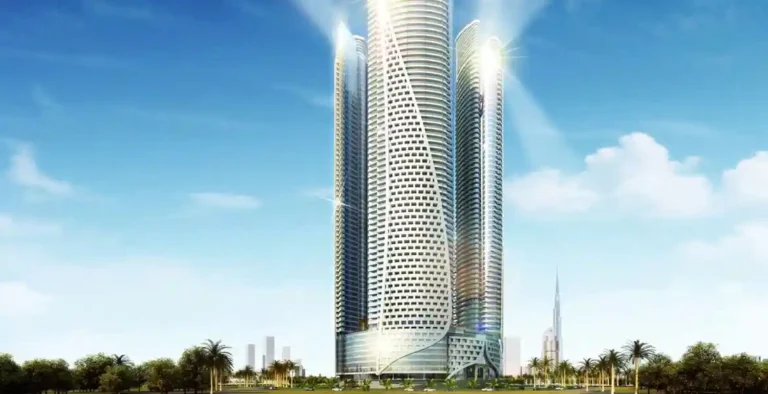
DAMAC Properties is a leading name in the Middle East known for shaping Dubai’s skyline with iconic residential developments. Their projects include luxury villas, apartments, and communities such as DAMAC Hills and DAMAC Lagoons.
The company collaborates with global brands like Cavalli, Versace, and Paramount Hotels & Resorts to create themed residences. This approach merges luxury fashion, hospitality, and architecture into residential living, redefining what it means to own a high-end home.
Example 2: Emaar Properties (Dubai, UAE)
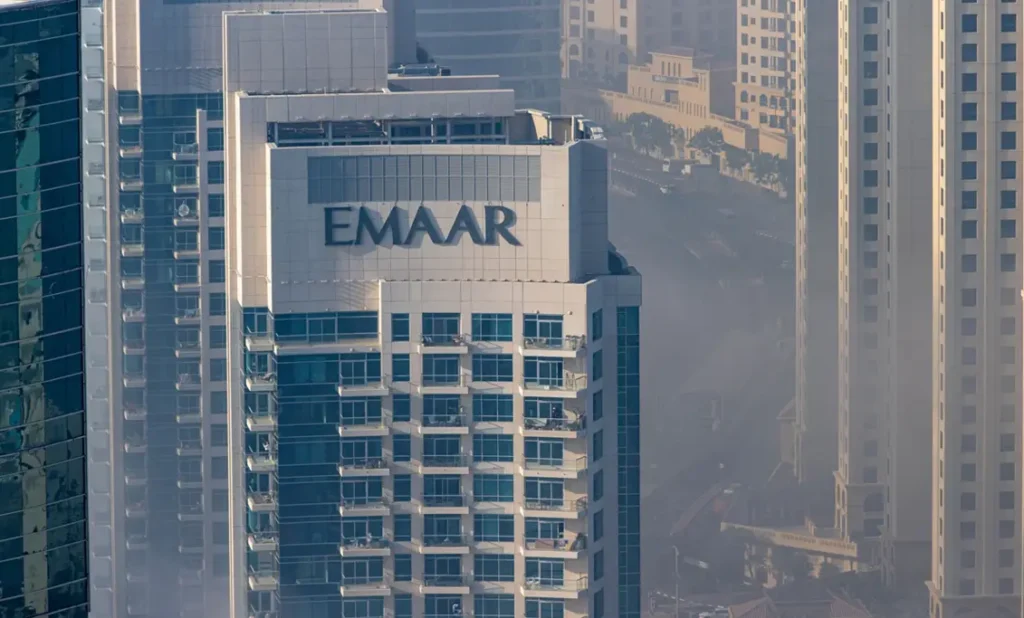
Emaar Properties is globally recognized for its ambitious projects, such as Downtown Dubai and the Burj Khalifa community. Their residential portfolio includes luxury apartments, penthouses, and exclusive villas.
Emaar’s developments stand out for their integration of lifestyle amenities, from fine dining and retail to entertainment hubs. Their ability to blend modern architecture with community-centered planning makes them one of the world’s most influential luxury residential developers.
Example 3: Related Companies (New York, USA)
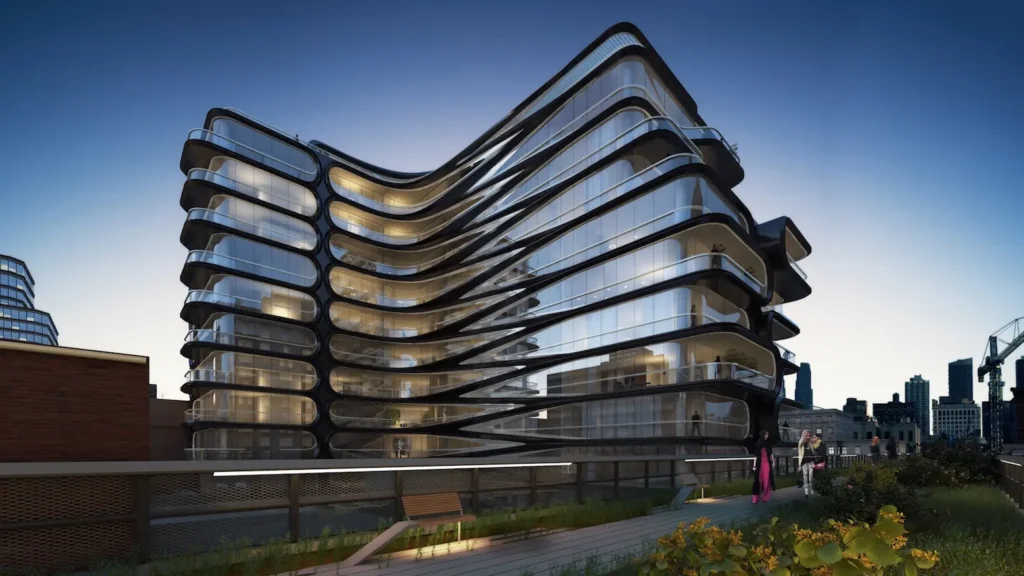
Related Companies is a powerhouse in the United States, particularly known for the Hudson Yards development in New York City. This project represents one of the largest private real estate developments in the nation and includes high-end residences with stunning views of Manhattan.
The company focuses on blending art, architecture, and innovation. Residences developed by Related often feature interiors by world-renowned designers and include state-of-the-art amenities such as rooftop gardens, private gyms, and concierge services.
Example 4: Lodha Group (Mumbai, India)
The Lodha Group is one of India’s most prominent luxury residential developers, delivering high-rise towers and sprawling communities. Their projects include iconic developments like The World Towers in Mumbai, which rank among the tallest residential towers globally.
Lodha integrates world-class design with luxury amenities, often collaborating with international architects and designers. Their projects redefine luxury living in rapidly urbanizing regions, providing residents with unmatched prestige and convenience.
Example 5: Grosvenor (London, UK)
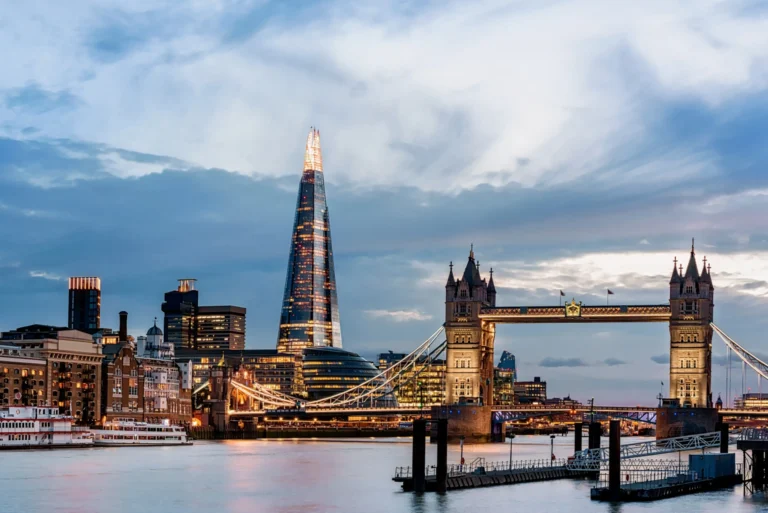
Grosvenor is a historic developer with roots dating back to the 17th century. Based in London, they are known for developing some of the most prestigious residential neighborhoods, including Belgravia and Mayfair.
Their projects emphasize heritage and timeless architecture while incorporating modern conveniences. Grosvenor’s developments continue to attract high-net-worth individuals who value exclusivity, history, and sophistication in their residences.
Benefits of Technology in Luxury Residential Development
Smart Home Integration
Luxury developers integrate cutting-edge smart home technology into residences. Homeowners can control lighting, temperature, security, and entertainment systems remotely, creating seamless living experiences.
Beyond convenience, smart systems improve energy efficiency and enhance property security. Developers now design homes with built-in automation infrastructure to meet the expectations of tech-savvy buyers.
Sustainable Building Practices
Luxury does not exclude sustainability. Developers are increasingly adopting green building practices, from using recycled materials to integrating renewable energy sources like solar and geothermal systems.
Advanced insulation, smart water systems, and energy-efficient appliances are standard features. These practices reduce environmental impact while lowering operational costs for residents, aligning with global sustainability goals.
Virtual Design and Building Information Modeling (BIM)
Technology also enhances the development process itself. Building Information Modeling (BIM) allows developers to create digital twins of projects, improving collaboration among architects, engineers, and contractors.
This results in fewer errors, more accurate cost estimations, and streamlined construction timelines. Virtual reality walkthroughs also allow clients to experience properties before completion, making customization easier.
Practical Use Cases of Luxury Residential Developers
Creating Global Real Estate Icons
Luxury residential developers are behind some of the world’s most recognizable landmarks, from Dubai’s Burj Khalifa district to New York’s Hudson Yards. These developments symbolize ambition, innovation, and cultural identity.
By building architectural icons, developers enhance the prestige of cities and attract international investors. Such projects contribute to tourism, economic growth, and urban identity.
Meeting the Needs of High-Net-Worth Individuals
Affluent buyers seek more than just homes; they desire exclusivity, privacy, and prestige. Luxury developers meet these needs by delivering residences with personalized services, private amenities, and prime locations.
This targeted approach ensures long-term demand for luxury developments, even during economic fluctuations.
Revitalizing Urban Landscapes
Many luxury residential projects transform underutilized urban areas into vibrant communities. Developments such as Hudson Yards in New York and Downtown Dubai show how luxury housing can drive urban regeneration.
By introducing high-end residences, retail, and cultural attractions, developers help cities reinvent themselves and attract global attention.
Enhancing Quality of Life
Luxury residences are designed to optimize comfort, health, and wellness. Features such as spa facilities, landscaped gardens, and wellness centers provide residents with a holistic lifestyle that extends beyond their homes.
This emphasis on well-being makes luxury residential developments highly relevant in today’s fast-paced urban environments.
Frequently Asked Questions
1. What differentiates luxury residential developers from standard developers?
Luxury residential developers focus on creating exclusive lifestyle experiences. They emphasize architectural innovation, premium amenities, and prime locations, while standard developers typically prioritize affordability and functionality.
2. Why do luxury residential properties oftenappreciatee?
These properties are located in prime areas, built with premium materials, and often tied to global brands or iconic designs. Their exclusivity ensures strong demand and long-term appreciation in value.
3. Are luxury residential developments sustainable?
Yes. Many luxury developers now prioritize sustainability through energy-efficient systems, eco-friendly materials, and renewable energy integration, ensuring that luxury and environmental responsibility go hand in hand.