Canada Water Redevelopment: Transforming London’s Docklands into a Modern Urban Hub
The Canada Water Redevelopment in Southwark, London, is one of the most ambitious urban renewal projects in Europe. This large-scale masterplan aims to transform a historic docklands area into a thriving mixed-use district where housing, business, culture, and green spaces coexist seamlessly.
With over 53 acres under development, Canada Water Redevelopment combines residential complexes, commercial offices, retail hubs, and public amenities in a way that prioritizes sustainability, smart technology, and community well-being. It represents a blueprint for future city planning where urban growth balances economic, social, and environmental goals.
Understanding the Canada Water Redevelopment Project
The Canada Water Redevelopment is led by British Land in partnership with Southwark Council and the local community. The plan is designed for long-term impact, with an estimated 15–20 years for full completion. It involves the redevelopment of former industrial docks, warehouses, and retail spaces into a vibrant, modern neighborhood.
At its core, the redevelopment emphasizes inclusivity. Around 35% of the new housing will be affordable, ensuring that the project benefits a diverse population. Alongside housing, the masterplan integrates over 2 million square feet of office space and 1 million square feet of retail, leisure, and cultural facilities.
Key Strategies in the Redevelopment
Community-Centered Planning
A defining feature of the Canada Water Redevelopment is the extensive community consultation process. Residents and stakeholders have been actively involved in shaping the project, ensuring that the masterplan reflects local needs and aspirations.
This collaborative approach builds trust and fosters a sense of ownership among residents, making the redevelopment more resilient to future challenges.
Sustainability as a Foundation
Sustainability lies at the heart of the redevelopment strategy. The plan includes low-carbon building designs, renewable energy integration, and abundant green spaces. Developers aim to achieve net-zero carbon emissions in line with London’s broader climate goals.
By prioritizing eco-friendly materials, water management systems, and biodiversity, the project sets new benchmarks for sustainable urban development.
Mixed-Use Integration
The redevelopment avoids creating single-purpose districts. Instead, it blends residential, commercial, educational, and cultural spaces. This ensures that Canada Water becomes a self-sustaining urban hub where people can live, work, and socialize without long commutes.
Such integration reduces reliance on cars, supports local businesses, and enhances quality of life.
Benefits of the Canada Water Redevelopment
Revitalizing Southwark’s Docklands
Once dominated by declining industries and underused spaces, the Canada Water area is being reshaped into a modern hub. The project revives local infrastructure, redefines public spaces, and reconnects the area with surrounding neighborhoods.
This revitalization not only attracts investment but also creates a sense of identity for a part of London that has been historically overlooked in urban planning.
Economic Growth and Job Creation
With millions of square feet dedicated to commercial and office spaces, the redevelopment is expected to generate thousands of jobs. From construction to long-term employment in retail, hospitality, and professional services, the project supports Southwark’s economic future.
Additionally, by attracting global companies to relocate offices, Canada Water strengthens London’s position as a global business hub.
Enhancing Urban Sustainability
Through energy-efficient buildings, renewable power, and walkable urban design, the redevelopment contributes to a healthier environment. It reduces carbon emissions, improves air quality, and encourages sustainable living practices among residents.
These benefits align with global sustainability trends, making Canada Water a case study in eco-conscious urban planning.
Real-World Examples within Canada Water Redevelopment
The Printworks Adaptive Reuse

The Printworks building, once used for large-scale newspaper printing, is being repurposed into a modern cultural and entertainment venue. By preserving the industrial character while introducing new uses, the redevelopment demonstrates adaptive reuse at its finest.
This example illustrates how heritage structures can be transformed into vibrant community assets, bridging the past and future of the Canada Water area.
Canada Dock Public Park
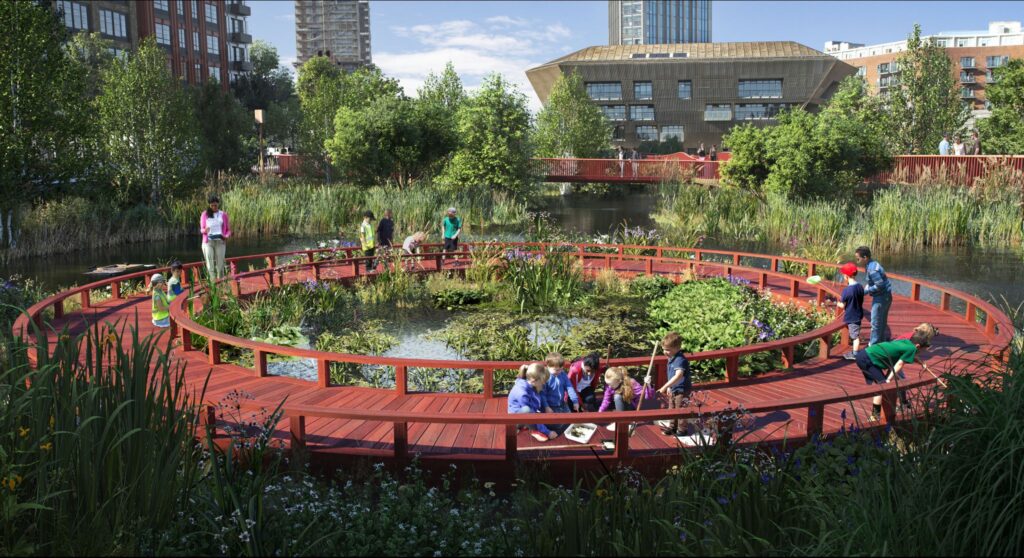
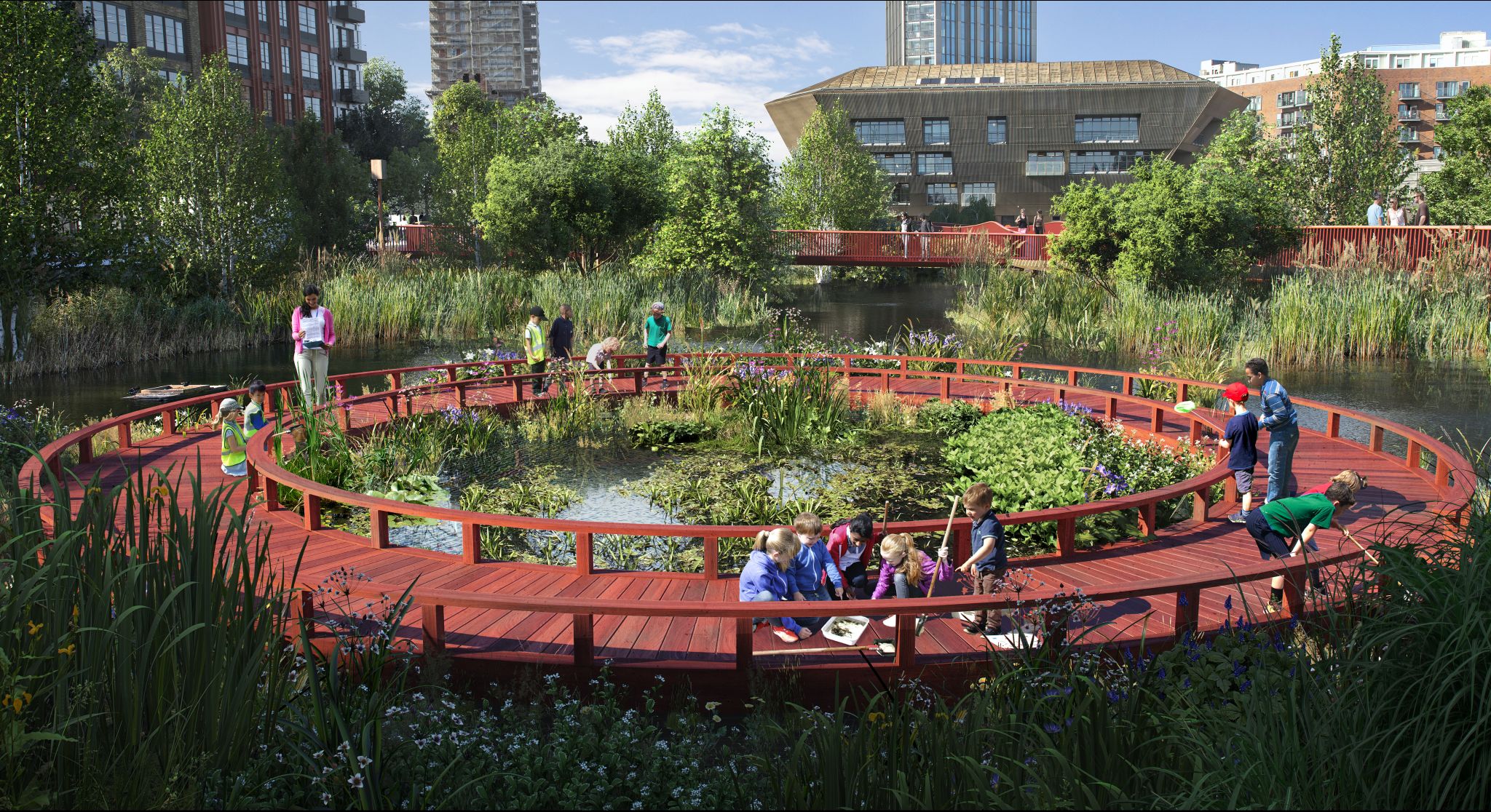
One of the highlights of the redevelopment is the creation of a vast public park around Canada Dock. Designed as a green lung for the community, it includes landscaped gardens, pedestrian-friendly pathways, and waterfront areas.
The park emphasizes biodiversity and climate resilience, providing a natural retreat for residents and visitors while supporting London’s green infrastructure network.
New Canada Water Library and Cultural Hub

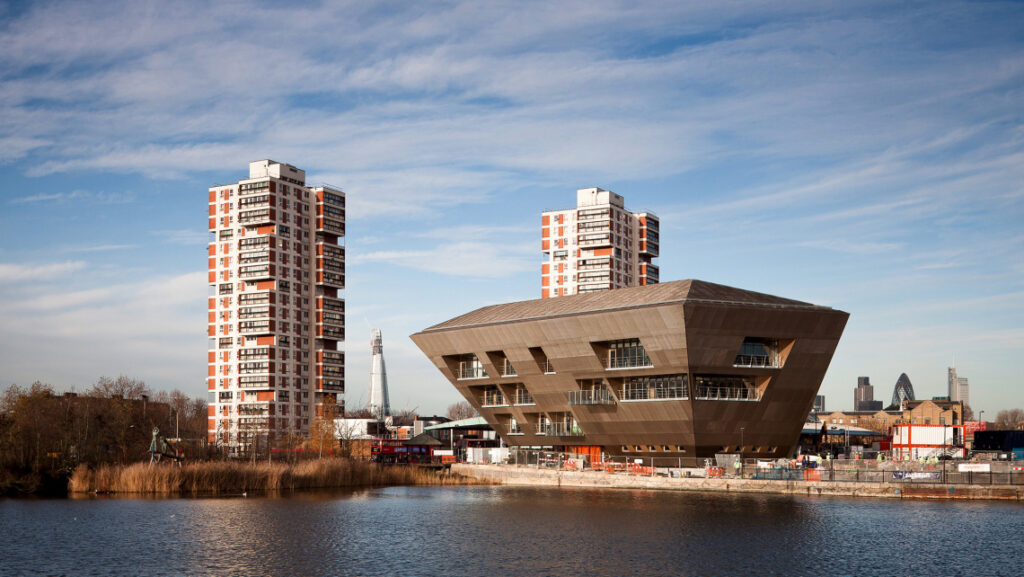
The Canada Water Library, already an architectural landmark, will be complemented by new cultural spaces as part of the redevelopment. These facilities include theaters, community centers, and art venues designed to nurture creativity and education.
By prioritizing cultural investment, the redevelopment strengthens social cohesion and ensures that Canada Water is more than just a business district it becomes a hub for community engagement.
Residential Developments with Affordable Housing
The redevelopment will deliver thousands of new homes, with a commitment to affordability and diversity. The residential complexes include family-oriented apartments, co-living spaces, and senior-friendly units.
This ensures that the community is inclusive, supporting residents across different income groups and life stages, while addressing London’s ongoing housing shortage.
Use Cases of the Redevelopment
Solving Housing Shortages
London faces a persistent housing crisis, with demand significantly outstripping supply. The Canada Water Redevelopment directly addresses this issue by adding thousands of homes, including a significant percentage of affordable housing.
By balancing affordability with high-quality design, the project provides a blueprint for how major cities can tackle housing shortages without sacrificing livability.
Reviving Declining Retail and Industrial Spaces
The decline of traditional retail and industrial activities left many spaces in Canada Water underused. Redeveloping these areas into vibrant mixed-use hubs rejuvenates the local economy while reducing urban blight.
This transformation attracts new businesses, residents, and cultural institutions, reversing decades of decline.
Improving Environmental Quality
Through green infrastructure, renewable energy, and pollution reduction measures, the redevelopment improves environmental quality. Canada Water becomes a healthier place to live, reducing noise, heat, and air pollution associated with older urban layouts.
Such environmental gains directly benefit public health and long-term sustainability.
Benefits of Using Technology in Redevelopment
Smart Planning and Data Integration
The Canada Water Redevelopment leverages digital planning tools such as Building Information Modeling (BIM) and Geographic Information Systems (GIS). These technologies allow planners to simulate different scenarios, optimize layouts, and identify potential problems before construction.
By using data-driven insights, the redevelopment ensures efficiency, cost savings, and better long-term outcomes.
Green Building Technologies
From solar panels to advanced HVAC systems, Canada Water integrates cutting-edge green technologies. Smart energy grids, water recycling, and real-time monitoring systems ensure that resources are used efficiently.
This not only reduces operational costs but also aligns with London’s ambition to be a leader in sustainable urban design.
Digital Connectivity
High-speed broadband and smart city infrastructure are embedded into the redevelopment. Digital connectivity ensures that businesses thrive, residents enjoy seamless communication, and the community remains future-proof in the digital economy.
Challenges of the Redevelopment
Despite its ambitious vision, the Canada Water Redevelopment faces challenges such as high construction costs, lengthy timelines, and balancing community expectations. Maintaining affordability while delivering premium facilities requires careful financial management.
Moreover, ensuring that redevelopment benefits existing residents and does not lead to displacement is an ongoing concern. Community engagement and policy support remain crucial for success.
Frequently Asked Questions
What is the Canada Water Redevelopment project?
The Canada Water Redevelopment is a 53-acre urban renewal project in Southwark, London, led by British Land. It aims to transform former docklands and retail areas into a vibrant mixed-use community with housing, offices, retail, and cultural spaces.
How will the redevelopment benefit the local community?
The project brings thousands of new homes, jobs, cultural venues, and public green spaces. It improves infrastructure, supports sustainability, and enhances the quality of life for both residents and visitors.
When will the Canada Water Redevelopment be completed?
The redevelopment is a long-term project expected to take 15–20 years to fully complete, with phases delivering new housing, offices, and public amenities progressively over time.