Asbestos in Commercial Buildings – Complete Guide to Risks, Management, and Solutions
Asbestos was once a common material in construction due to its durability, insulation properties, and resistance to fire. However, in modern times, it is recognized as a serious health hazard. Many older commercial buildings still contain asbestos in insulation, floor tiles, roofing, or fireproofing materials. Understanding asbestos in commercial properties is crucial for owners, managers, and contractors who are responsible for ensuring safe working environments.
This article explores the presence of asbestos in commercial buildings, its risks, management strategies, real-world examples, benefits of modern technology, and practical use cases in today’s business environment.
What is Asbestos and Why is it a Concern in Commercial Buildings?

Asbestos is a group of naturally occurring minerals that were widely used in construction materials for much of the 20th century. It is heat-resistant, strong, and affordable, which makes it ideal for commercial applications such as ceiling tiles, insulation, and roofing.
The concern arises because asbestos fibers, when disturbed, can become airborne and inhaled. Prolonged exposure can lead to serious diseases such as mesothelioma, lung cancer, and asbestosis. For commercial property owners, asbestos is not just a health issue but also a legal and financial responsibility.
Where Asbestos is Found in Commercial Properties
Insulation and Fireproofing
Many commercial buildings used asbestos for pipe insulation, spray-on fireproofing, and thermal barriers. These applications are often hidden, making detection difficult without professional surveys.
Flooring and Ceiling Materials
Older vinyl floor tiles, adhesives, and textured ceiling coatings frequently contained asbestos. While intact materials may pose little risk, damage or renovation can release dangerous fibers.
Roofing and Exterior Panels
Asbestos was common in roofing shingles, siding panels, and exterior cladding. Over time, weathering may compromise these materials, increasing the risk of exposure.
Real-World Examples of Asbestos in Commercial Contexts
Example 1: Office Building Renovation

During the renovation of a mid-sized office building, contractors discovered asbestos in ceiling tiles and pipe insulation. Work had to stop until licensed asbestos abatement teams completed removal.
This example highlights the importance of asbestos surveys before renovations. Without planning, asbestos can cause delays, increased costs, and legal liability.
Example 2: School and University Campuses
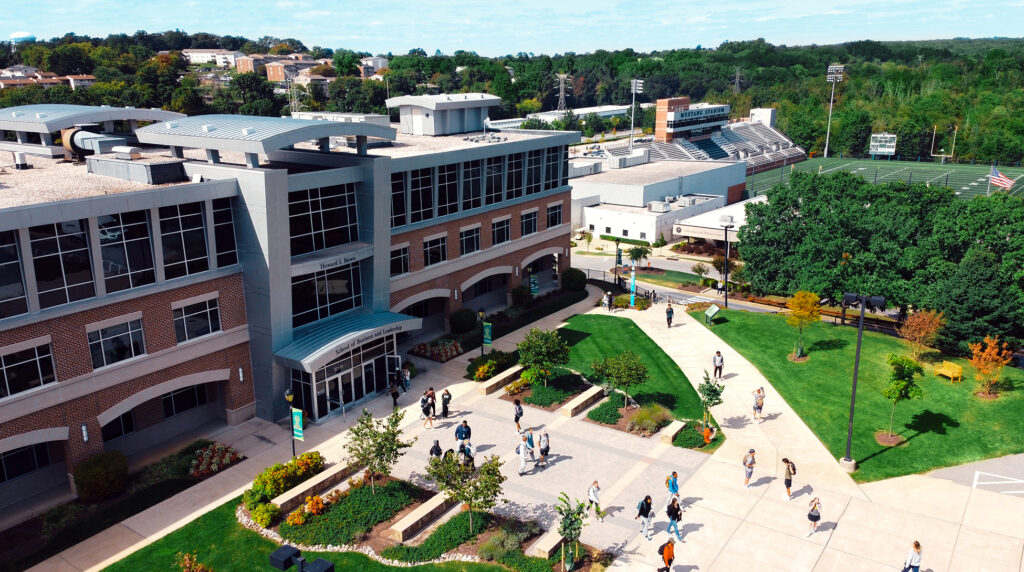
Many educational institutions constructed before the 1980s still contain asbestos. A university discovered asbestos insulation during a dormitory renovation, prompting a large-scale remediation project.
This case demonstrated the necessity of long-term asbestos management plans for institutions that maintain aging commercial infrastructure.
Example 3: Hospital Maintenance Project
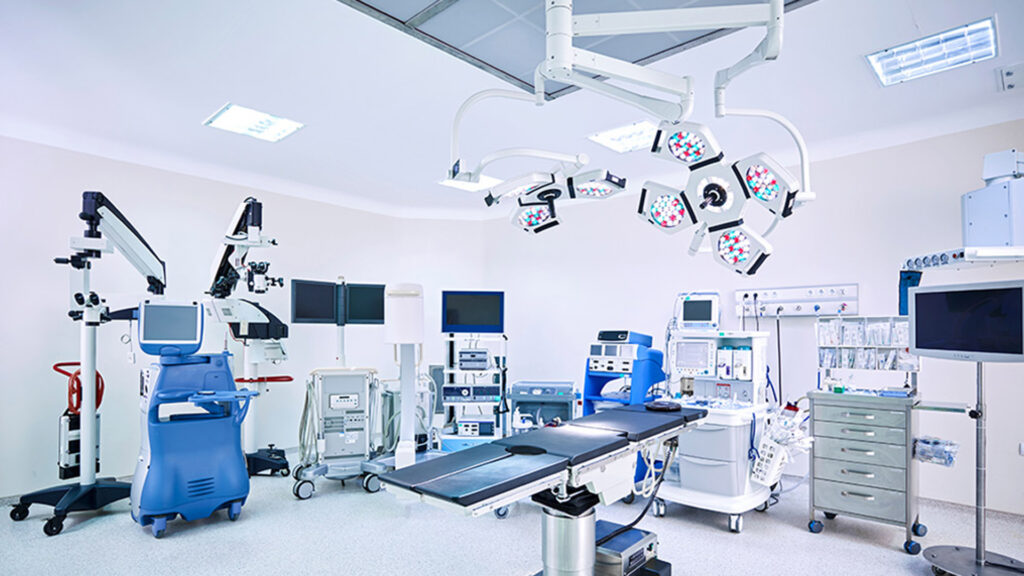
A hospital required upgrades to its heating system. When maintenance crews inspected the pipes, they discovered asbestos insulation. The hospital had to coordinate the removal carefully to ensure patient safety while maintaining operations.
This situation illustrated how asbestos in healthcare facilities presents unique challenges due to sensitive populations and continuous service needs.
Example 4: Retail Complex Redevelopment
A shopping mall undergoing redevelopment found asbestos-containing materials in its roofing and fireproofing spray. The remediation project was complex due to the size of the property and tenant operations.
Despite costs, the safe removal enhanced the value of the property, allowed for modern upgrades, and reassured tenants and customers about safety.
Technology in Commercial Asbestos Management
Insert image of the product: Drone scanning the façade of a commercial building for hazardous materials.
Modern technology has improved how asbestos is detected, managed, and removed in commercial settings.
- Digital Survey Tools: Advanced detection equipment can identify asbestos more accurately and safely than traditional methods.
- Drones and Robotics are used to inspect hard-to-reach exterior panels or roof structures without risking worker exposure.
- Air Monitoring Devices: Real-time monitoring ensures asbestos fibers are controlled during removal, protecting workers and occupants.
- Project Management Software: Digital platforms track compliance, schedules, and documentation, improving efficiency and transparency.
- Encapsulation Materials: Innovative coatings safely seal asbestos-containing materials, preventing fiber release when full removal is not feasible.
These technologies help reduce risk, streamline projects, and ensure compliance with strict health and safety regulations.
Benefits of Proper Asbestos Management in Commercial Buildings
Health and Safety Protection
The most important benefit is protecting workers, tenants, and visitors from exposure to hazardous fibers that can cause life-threatening diseases.
Legal and Regulatory Compliance
Commercial properties must comply with strict asbestos regulations. Proper management avoids fines, lawsuits, and reputational damage.
Enhanced Property Value
Buildings with safe, documented asbestos management are more attractive to buyers, investors, and tenants.
Operational Continuity
Well-planned asbestos projects minimize disruptions during renovations or maintenance, allowing businesses to continue operating safely.
Practical Use Cases of Asbestos Management
Renovation Projects in Aging Commercial Buildings
Before any renovation, asbestos surveys and removal ensure the safety of construction crews and occupants while avoiding costly delays.
Ongoing Maintenance in Healthcare and Education
Hospitals and schools require specialized asbestos management strategies to protect vulnerable populations while maintaining services.
Property Redevelopment for Investors
Investors purchasing older properties must address asbestos risks as part of redevelopment, ensuring compliance and maximizing property value.
Retail and Hospitality Upgrades
Shopping malls and hotels undergoing modernization often encounter asbestos. Proper handling ensures customer confidence and smooth project delivery.
Why Asbestos Awareness Matters in Business
Asbestos in commercial settings is not an issue of the past—it is a present-day responsibility. Many properties built before regulations came into force still contain asbestos materials, and businesses must actively manage the risks.
Ignoring asbestos can result in severe health consequences, costly remediation, and legal liabilities. On the other hand, proactive asbestos management demonstrates a commitment to safety, compliance, and corporate responsibility.
Frequently Asked Questions
1. Do all commercial buildings contain asbestos?
No, not all buildings contain asbestos. Properties constructed after the 1990s are less likely to have asbestos materials, while older buildings often do. Professional surveys are the only reliable way to determine its presence.
2. Is asbestos always dangerous in commercial buildings?
Asbestos is most dangerous when disturbed. Intact and sealed materials may pose minimal risk, but renovations, damage, or deterioration can release harmful fibers into the air.
3. Can asbestos be managed without full removal?
Yes, in some cases, asbestos can be encapsulated or sealed instead of removed. This approach prevents fiber release while minimizing disruption, but it requires ongoing monitoring.