Luxury Property Development: Innovation, Architecture, and Lifestyle in Modern Real Estate
Luxury property development represents the pinnacle of real estate innovation, design, and exclusivity. Unlike standard residential projects, these developments emphasize superior craftsmanship, advanced technology, and lifestyle-driven design. They are not simply buildings; they are cultural symbols that define entire neighborhoods and cities.
The demand for luxury properties continues to grow globally, fueled by high-net-worth individuals seeking exclusivity, convenience, and long-term value. As a result, luxury property developers are reimagining what “home” or “investment” means in today’s context, blending timeless elegance with modern innovation.
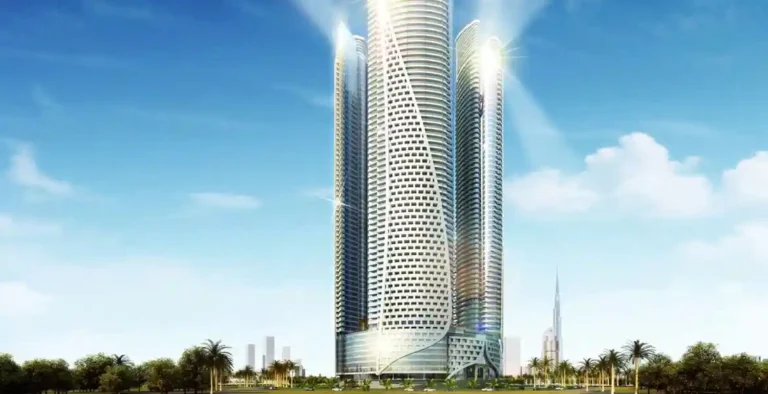
A Modern Luxury Residential Tower.
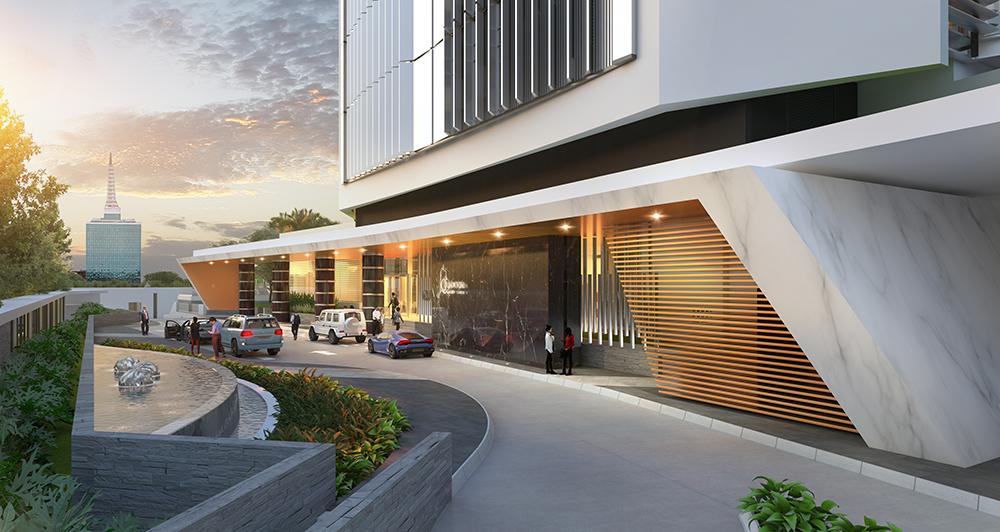
At its core, luxury property development is about creating spaces that combine architectural brilliance with unparalleled functionality. Developments often include residences, retail, entertainment, and hospitality components, making them lifestyle hubs.
From high-rise towers in global capitals to exclusive beachfront villas, these projects redefine living standards. Every detail—from interior finishes to smart-home integration is curated to ensure not just comfort but a distinctive identity for each property.
Key Characteristics of Luxury Property Development
What sets luxury property development apart is the seamless blend of design, technology, and exclusivity. Architecture is often bold and iconic, designed by world-renowned firms to make a statement in urban skylines.
Another defining feature is customization. Luxury developments allow buyers to personalize layouts, materials, and finishes, ensuring a sense of individuality. Furthermore, these properties often integrate services such as concierge, wellness facilities, and private security, elevating them beyond typical residences.
One Hyde Park, London.

One Hyde Park in London is a prime example of luxury property development. Developed by Candy & Candy and Qatari Diar, it is one of the most expensive residential addresses in the world.
The development combines stunning architecture with ultra-premium services, including private spas, 24-hour security, and direct access to luxury retail. Its significance lies in how it redefined London as a destination for global luxury real estate investment.
Burj Khalifa Residences, Dubai
Another iconic example is the Burj Khalifa Residences in Dubai, developed by Emaar Properties. As the tallest building in the world, the Burj Khalifa symbolizes architectural ambition and luxury on a global scale.
Residents enjoy panoramic views of Dubai, access to high-end dining, and amenities such as fitness centers and exclusive lounges. More importantly, the Burj Khalifa project set new benchmarks for integrating luxury living with mixed-use development, including hospitality and retail.
432 Park Avenue, New York City
In New York, 432 Park Avenue by CIM Group and Macklowe Properties exemplifies the vertical luxury trend. Standing tall in Manhattan, this residential skyscraper became a symbol of exclusivity, with units boasting minimalist designs and breathtaking views of Central Park.
Beyond its aesthetics, 432 Park Avenue reflects how urban luxury development can balance density with exclusivity, providing spacious private residences in the heart of a bustling city.
The Residences at Marina Gate, Dubai Marina
The Residences at Marina Gate in Dubai demonstrate how luxury property development extends beyond individual buildings into community-scale projects. Developed by Select Group, Marina Gate offers a waterfront lifestyle, blending modern design with resort-style amenities.
This project is significant because it highlights how luxury developments can transform entire districts into global destinations, attracting investors and residents alike.
The Shard, London
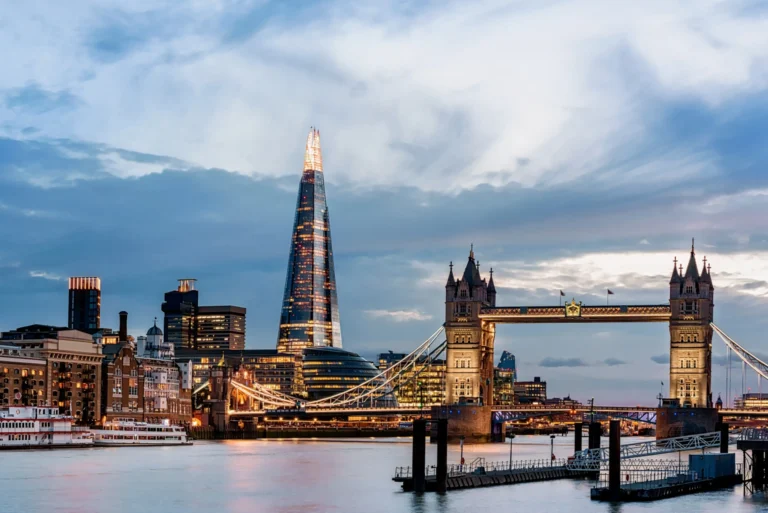
The Shard is not just a skyscraper but a landmark in luxury property development. Designed by Renzo Piano, it combines residential, office, and hospitality spaces into one vertical city.
As a mixed-use luxury property, The Shard illustrates how developers are integrating diverse functions into a single iconic building. Its relevance lies in offering both prestige and practicality, appealing to international buyers and tenants.
The Role of Technology in Luxury Property Development
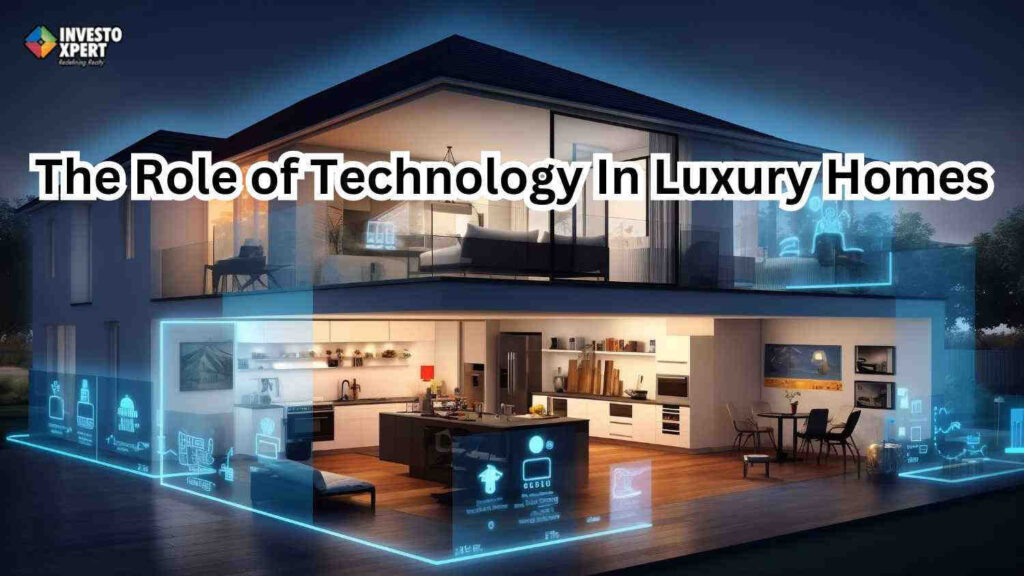
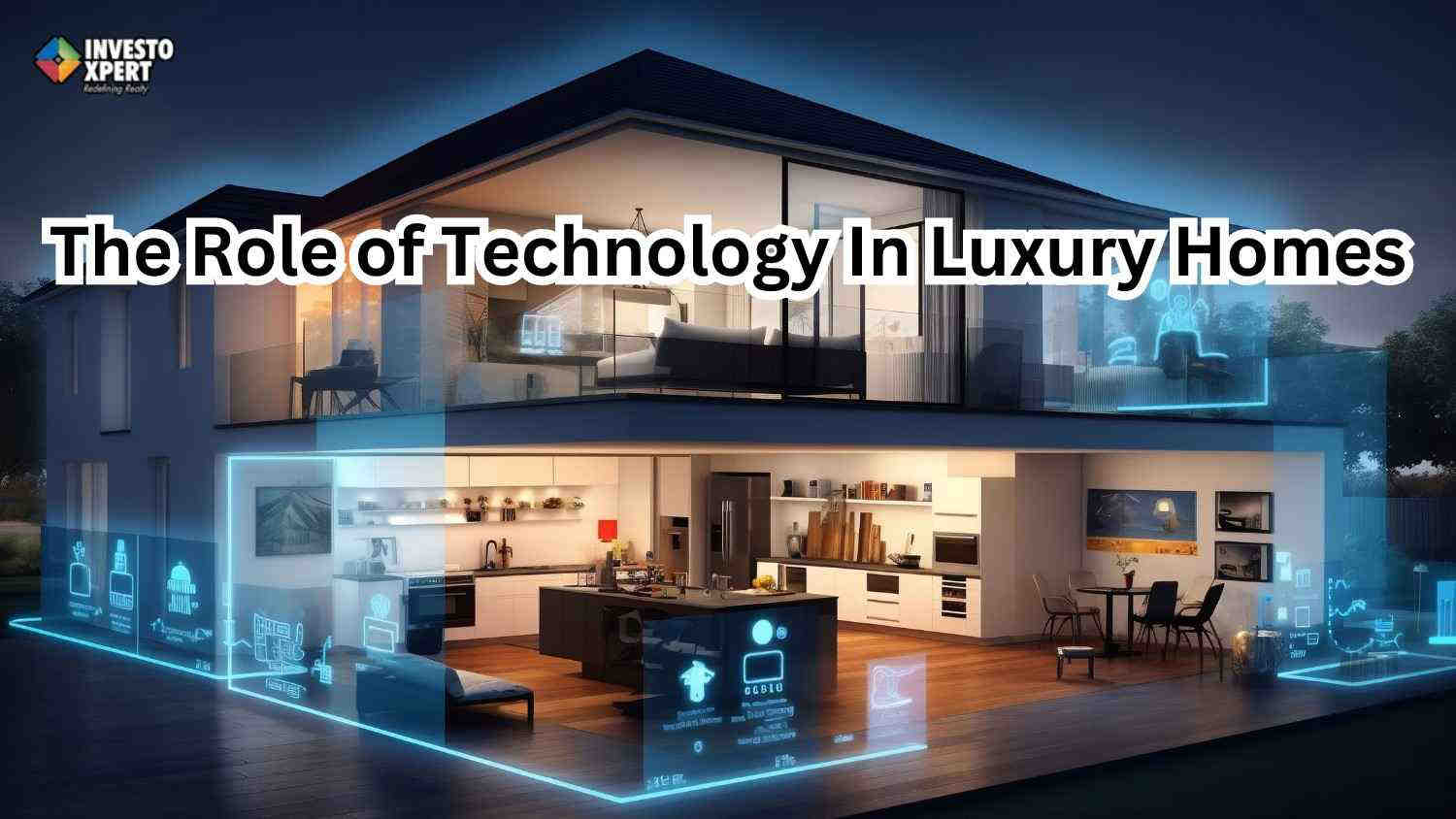
Technology has become inseparable from luxury property development. Smart-home integration allows residents to control lighting, climate, security, and entertainment systems seamlessly through mobile devices.
Beyond individual residences, technology is shaping construction through Building Information Modeling (BIM), 3D printing, and advanced sustainable materials. These innovations ensure precision, efficiency, and reduced environmental impact, which are essential in high-end markets.
Benefits of Luxury Property Development
Luxury property development provides practical advantages for both developers and residents. For residents, the benefits include enhanced lifestyle, privacy, and access to premium services. A well-designed luxury property often becomes a status symbol and a secure investment asset.
For cities and communities, luxury developments can drive urban regeneration. They attract global attention, boost local economies, and set architectural benchmarks that elevate the reputation of the area.
Use Cases of Luxury Property Development
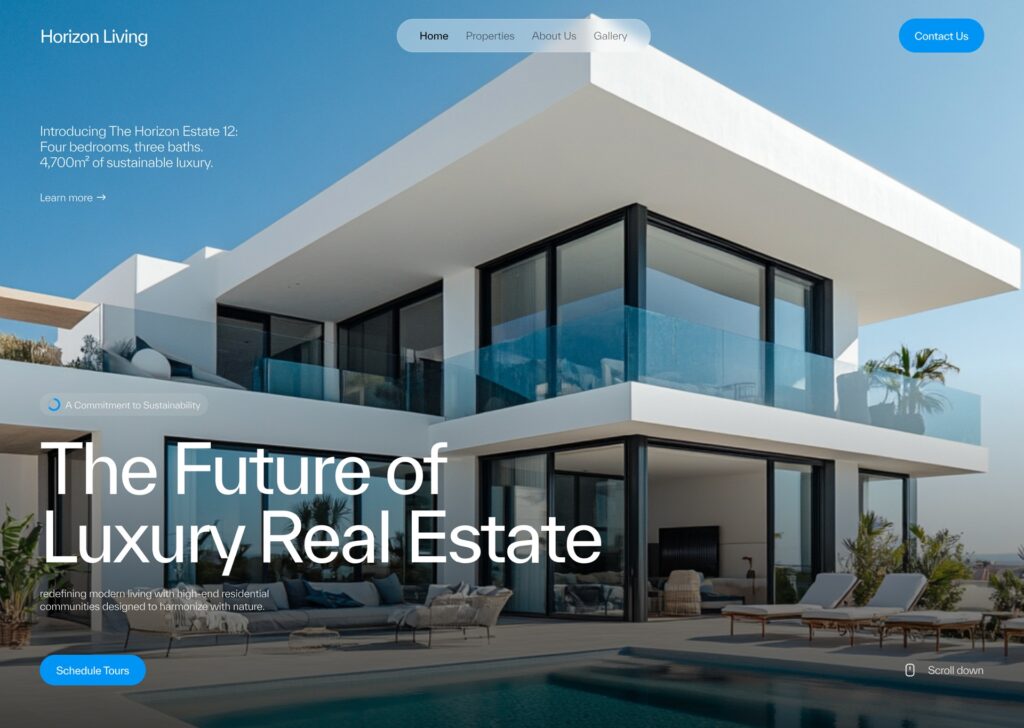
Redefining City Skylines
Projects like Burj Khalifa and 432 Park Avenue redefine urban skylines, making cities instantly recognizable worldwide. These developments serve as cultural icons that attract tourists, investors, and residents.
Creating Lifestyle-Oriented Communities
Developments like Marina Gate in Dubai or master-planned communities in Miami show how luxury property development can create entire neighborhoods centered on leisure, connectivity, and exclusivity.
Providing Safe Investment Assets
Luxury properties like One Hyde Park are seen as “safe havens” for international investors. Even during economic fluctuations, these properties often retain or grow in value due to limited supply and global demand.
Integrating Mixed-Use Development
Projects like The Shard showcase how combining residences, offices, and hospitality creates multifunctional spaces that meet modern urban needs, offering convenience and prestige in one location.
Challenges in Luxury Property Development
While luxury property development offers significant opportunities, it also comes with challenges. High construction costs, zoning restrictions, and economic fluctuations can affect profitability. Developers must also balance exclusivity with sustainability, ensuring projects meet modern environmental expectations.
Additionally, the demand for personalization adds complexity to design and delivery. Developers need to provide bespoke options without compromising efficiency or timelines. This requires meticulous planning and advanced construction techniques.
Future of Luxury Property Development
The future of luxury property development lies in sustainability, technology, and wellness. Developers are increasingly focusing on eco-friendly materials, renewable energy integration, and biophilic design that connects residents with nature.
Furthermore, wellness-focused living, integrating gyms, spas, meditation areas, and healthy dining, will become a defining feature. Luxury is no longer just about aesthetics; it’s about holistic well-being.
Conclusion
Luxury property development is more than real estate; it’s a reflection of innovation, ambition, and evolving lifestyles. From One Hyde Park to Burj Khalifa, iconic projects around the world demonstrate how architecture, technology, and exclusivity converge to shape modern living.
By integrating smart-home systems, sustainable practices, and personalized design, developers are ensuring that luxury properties remain aspirational, practical, and future-ready. The sector will continue to evolve, setting benchmarks not only for real estate but also for urban culture and global investment.
FAQ
What defines luxury property development?
Luxury property development is defined by superior design, high-quality materials, advanced technology, and exclusivity. These projects go beyond functionality, offering residents a lifestyle and identity.
Why is technology important in luxury property development?
Technology enhances convenience, security, and sustainability. From smart-home systems to advanced construction methods, it ensures luxury properties meet modern expectations.
Are luxury properties good investments?
Yes. Luxury properties often retain or increase their value due to limited supply and global demand. They are also considered safe investments during times of economic uncertainty.