Luxury Real Estate Development: Complete Guide to Innovation, Technology, and Global Examples
Luxury real estate development refers to the creation of high-end residential and mixed-use properties that combine architectural brilliance, prime locations, and exclusive lifestyle amenities. Unlike standard housing projects, luxury developments focus on providing more than shelter; they deliver experiences that embody sophistication, privacy, and prestige.
From waterfront villas and penthouses to private communities and branded residences, luxury developments are built with the affluent buyer in mind. Every detail, from the choice of materials to the landscaping, is carefully designed to create a home that reflects status and refinement.
Key Elements of Luxury Real Estate Development
Prime Locations
One of the defining aspects of luxury real estate is location. Developers prioritize properties in sought-after areas such as city centers, waterfronts, or exclusive countryside estates. These locations offer not only convenience but also a strong sense of prestige.
A prime location also ensures long-term property value appreciation. Buyers are willing to pay a premium for proximity to cultural landmarks, high-end retail, fine dining, and natural beauty.
Architectural Excellence
Architecture is at the heart of luxury developments. World-renowned architects are often commissioned to create buildings that stand out as works of art. These designs incorporate innovative structures, expansive layouts, and panoramic views.
Luxury real estate projects often serve as cultural and architectural landmarks, becoming symbols of the cities they inhabit. The fusion of modern design principles with timeless elegance ensures both aesthetic appeal and enduring relevance.
Lifestyle Amenities
Beyond design and location, luxury developments emphasize lifestyle. Exclusive amenities such as private gyms, spas, rooftop gardens, golf courses, and concierge services are standard features.
By curating amenities that go beyond necessity, developers cater to affluent individuals who value comfort, convenience, and exclusivity in their everyday lives.
Real-World Examples of Luxury Real Estate Development
Example 1: One Hyde Park, London
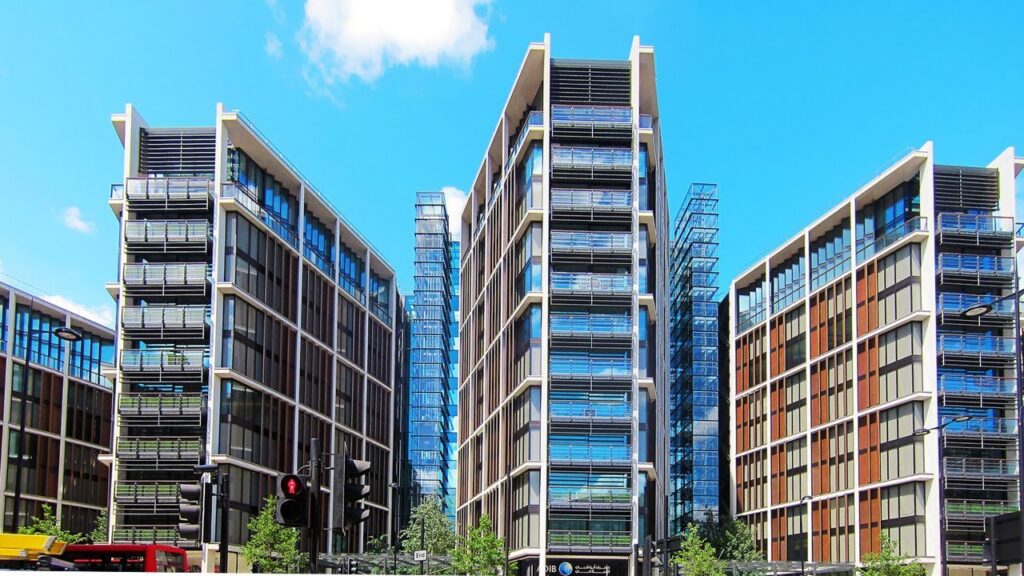
One Hyde Park is one of the most prestigious luxury residential projects in the world, developed by Candy & Candy in partnership with the Qatar Investment Authority. Located in London’s Knightsbridge, it is synonymous with exclusivity.
The project features ultra-modern apartments with interiors crafted from premium materials and offers private wine cellars, spas, and secure underground parking. Security measures are military-grade, providing unmatched privacy and safety. This development set new benchmarks for global luxury real estate.
Example 2: Burj Khalifa Residences, Dubai
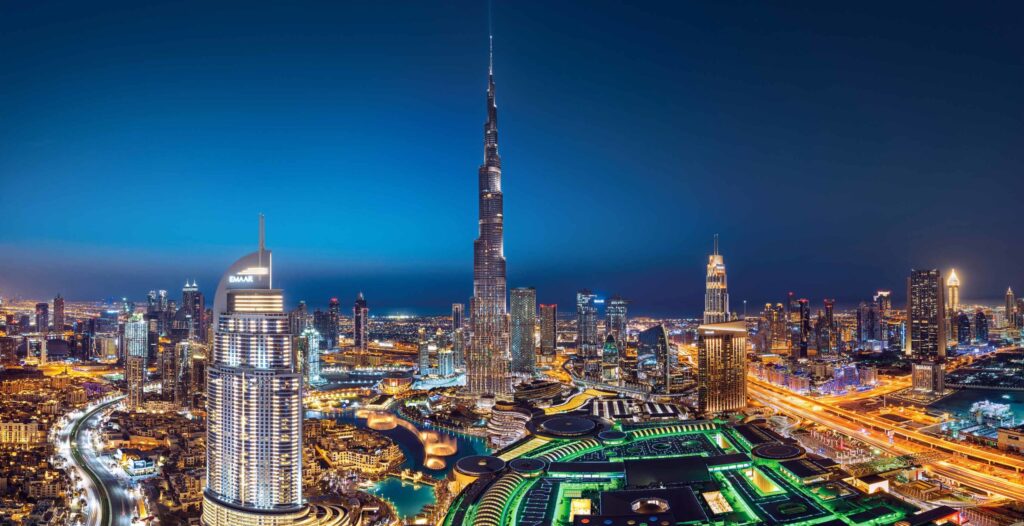
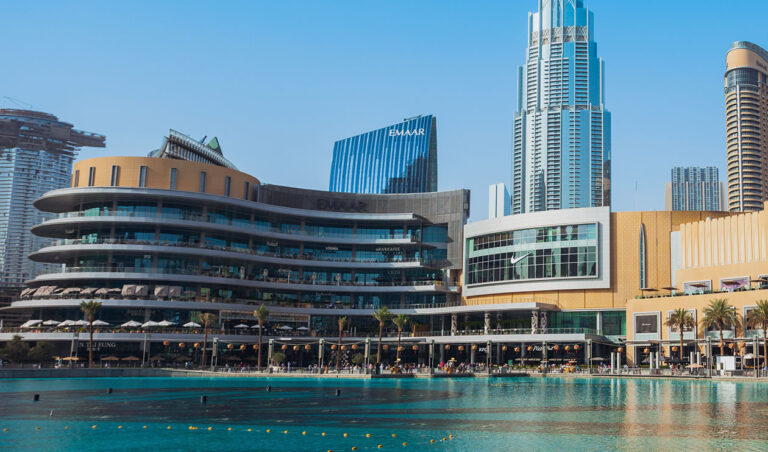
The Burj Khalifa, developed by Emaar Properties, is not just the tallest building in the world—it is also a symbol of luxury living. The residential segment includes exclusive apartments with panoramic views of Dubai’s skyline.
Residents benefit from world-class amenities such as health clubs, indoor pools, and direct access to the Dubai Mall. By blending architectural innovation with luxury lifestyle offerings, this project redefined urban luxury living in the Middle East.
Example 3: Hudson Yards, New York City
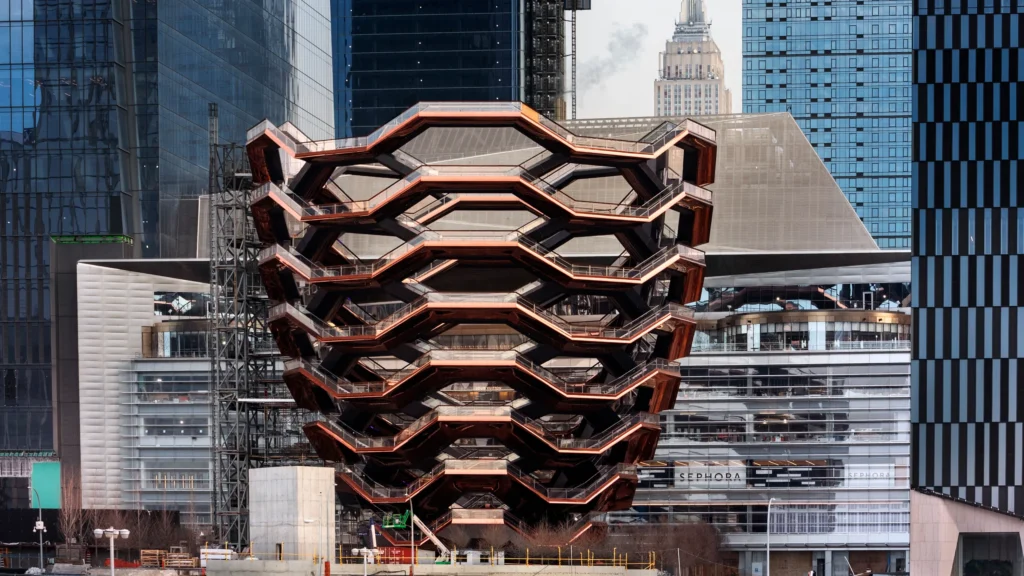
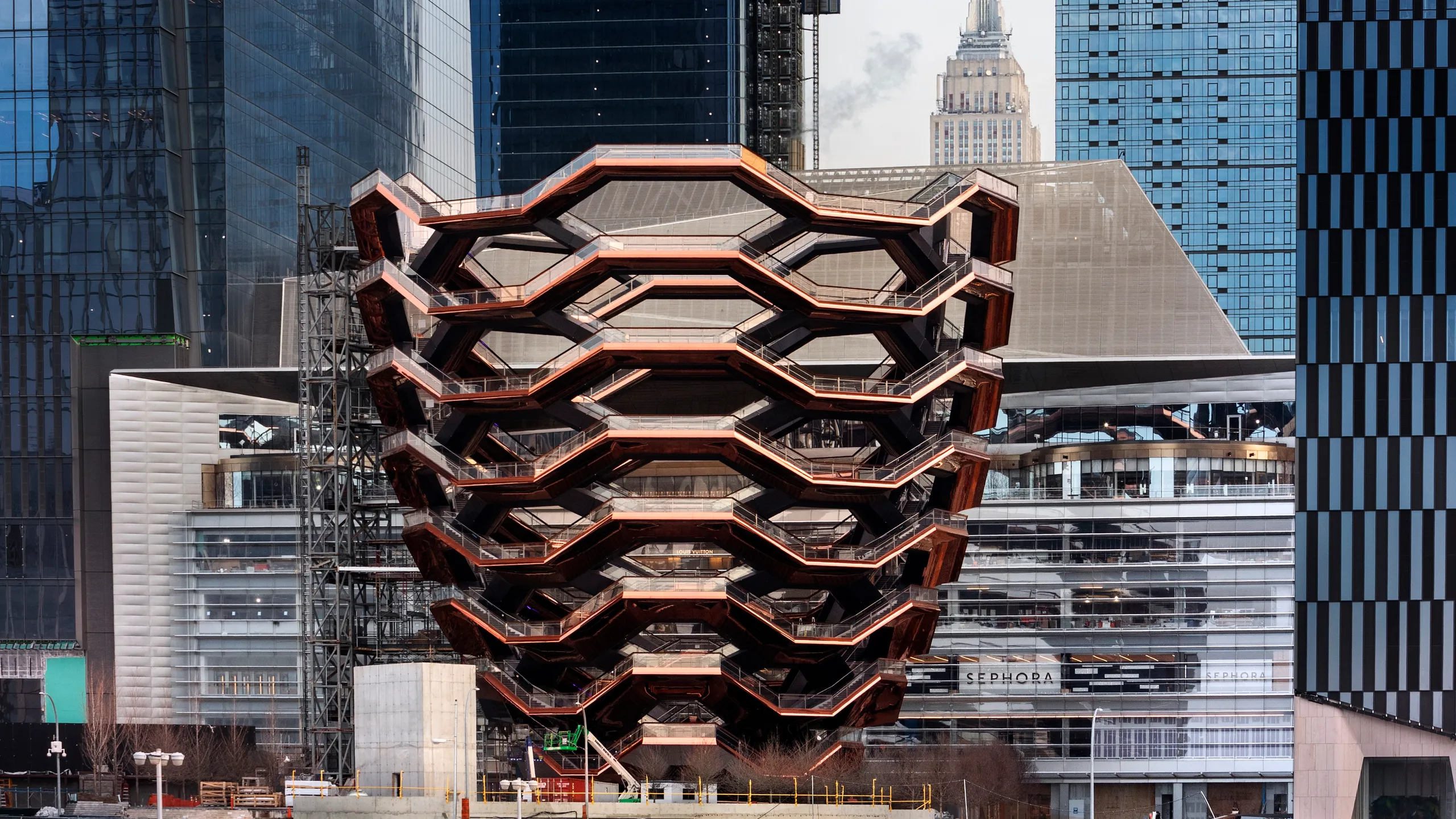
Hudson Yards, developed by Related Companies, is the largest private real estate development in U.S. history. This massive project combines luxury residences, retail, office spaces, and cultural attractions in Manhattan’sWest Sidee.
The residential towers feature expansive layouts, smart home technology, and exclusive access to private amenities. Hudson Yards represents the future of luxury urban living, where residential, commercial, and cultural spaces coexist seamlessly.
Example 4: Marina Bay Sands Residences, Singapore
Marina Bay Sands is not only a luxury hotel and entertainment complex but also includes luxury residences that rank among the most prestigious in Asia. Developed by Las Vegas Sands Corporation, the project epitomizes waterfront luxury.
The residences offer sweeping views of Singapore’s skyline and marina, combined with concierge services, private gyms, and direct access to one of the world’s most iconic integrated resorts. This development illustrates how luxury real estate can transform a city’s global reputation.
Example 5: The World Towers, Mumbai
Developed by the Lodha Group, The World Towers in Mumbai are among the tallest residential towers globally. The project redefines luxury in India with its futuristic design, large living spaces, and community-focused amenities.
The towers feature interior designs by Armani/Casa and incorporate wellness facilities, landscaped gardens, and private clubs. This development highlights how emerging markets are embracing luxury real estate at a global scale.
Benefits of Technology in Luxury Real Estate Development
Smart Home Integration
Luxury real estate projects often include advanced smart home systems. Residents can control lighting, security, entertainment, and climate from mobile devices. This integration enhances convenience, security, and energy efficiency.
Developers now design homes with automation infrastructure built in, ensuring long-term adaptability as technology evolves. This feature is a major attraction for tech-savvy buyers.
Sustainable Building Practices
Sustainability is becoming central to luxury real estate development. Developers integrate renewable energy systems, smart water management, and eco-friendly materials into their designs.
Green roofs, energy-efficient HVAC systems, and solar panels are increasingly common. These practices align with global environmental goals while reducing long-term operational costs for residents.
Advanced Construction Methods
Luxury real estate developers adopt cutting-edge construction technologies such as modular building and Building Information Modeling (BIM). These tools improve efficiency, reduce construction risks, and ensure design accuracy.
Virtual reality is also used to provide immersive property tours before completion, allowing buyers to customize layouts and finishes in advance. This technological advantage elevates the buyer experience.
Practical Use Cases of Luxury Real Estate Development
Urban Transformation
Luxury developments often drive urban regeneration. Projects like Hudson Yards in New York and Downtown Dubai have transformed underdeveloped areas into vibrant hubs of activity. These projects attract investment, tourism, and global recognition.
By combining residential, cultural, and commercial elements, luxury developments serve as catalysts for city-wide growth.
Meeting the Demands of High-Net-Worth Individuals
Affluent buyers seek exclusivity, privacy, and lifestyle integration. Luxury developers meet these demands by offering bespoke residences, private services, and access to premium amenities.
This targeted approach ensures that luxury developments remain desirable assets even during economic fluctuations, making them attractive to global investors.
Enhancing Global Branding
Iconic luxury real estate projects enhance the global identity of cities. The Burj Khalifa put Dubai on the world map, while Marina Bay Sands cemented Singapore’s reputation as a luxury destination.
These developments contribute to tourism, cultural relevance, and economic growth, far beyond their immediate residential value.
Promoting Wellness and Quality of Life
Luxury developments increasingly emphasize health and wellness. Spa facilities, green landscapes, meditation areas, and fitness centers are integrated into modern projects.
By focusing on holistic living, developers meet growing consumer demand for health-conscious lifestyles, making their projects future-proof.
Advantages of Choosing Luxury Real Estate Development
Long-Term Value Appreciation
Luxury properties in prime locations often appreciate faster than standard real estate. Developers ensure exclusivity through architectural excellence, limited availability, and strong branding, making them highly resilient investments.
Superior Lifestyle Experience
From private concierge services to curated community events, luxury real estate developments elevate daily living into an experience. They provide convenience, comfort, and exclusivity unmatched by conventional properties.
Contribution to Sustainable Futures
By incorporating green practices, luxury real estate developments ensure that premium living also contributes to global sustainability. These projects balance opulence with responsibility, making them attractive to modern buyers.
Frequently Asked Questions
1. What defines a luxury real estate development?
Luxury real estate developments are defined by prime locations, architectural excellence, exclusive amenities, and a focus on lifestyle. They go beyond housing to deliver prestige and refined living experiences.
2. Are luxury real estate developments only for ultra-wealthy buyers?
While typically designed for affluent individuals, the spectrum of luxury real estate varies. Some projects target ultra-high-net-worth individuals, while others cater to upper-middle-class buyers seeking exclusive living.
3. How does technology enhance luxury real estate development?
Technology improves convenience, sustainability, and customization. Smart home systems, green building innovations, and advanced construction methods make luxury residences more efficient and adaptable to modern lifestyles.