Single Family Home Construction: Complete Guide to Planning, Technology, and Real-World Insights
Single-family home construction refers to the process of building a standalone residential property designed for one household. Unlike multi-family housing such as apartments or townhouses, these homes offer privacy, larger spaces, and independent ownership. They remain one of the most popular housing choices in suburban areas and continue to dominate residential markets worldwide.
The process of single-family home construction involves several stages, from land preparation and architectural design to framing, utility installation, and interior finishing. Each phase requires close collaboration between architects, builders, engineers, and homeowners to ensure the final result meets safety standards, lifestyle needs, and long-term durability.
Core Phases of Single-Family Home Construction
Site Preparation and Foundation
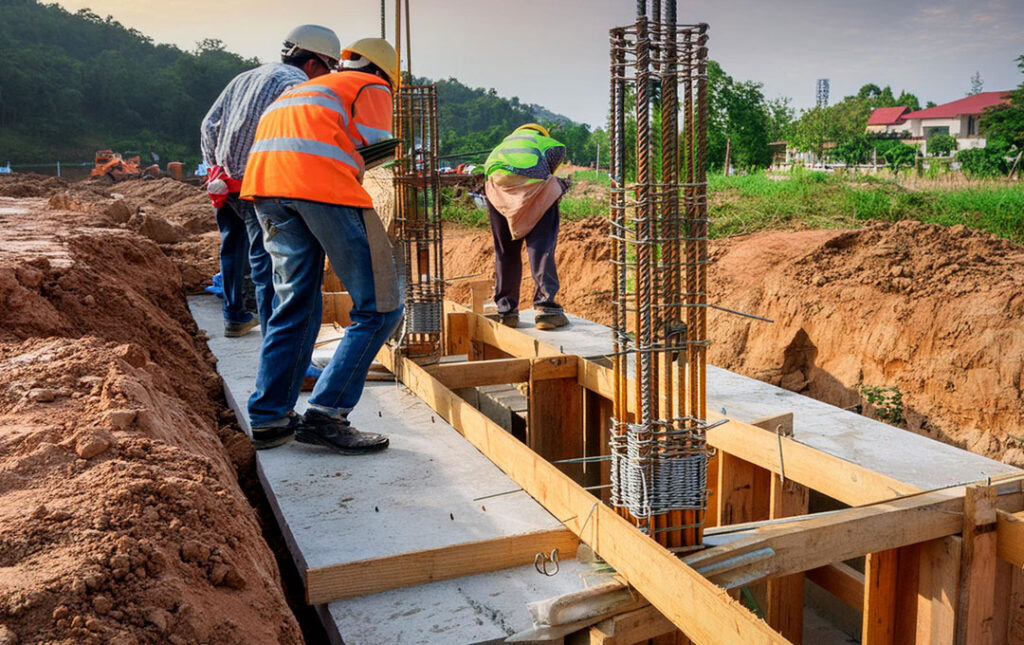
The first stage in single-family home construction begins with selecting and preparing the land. This involves clearing vegetation, grading the terrain, and ensuring soil stability. Proper site preparation is critical to prevent structural issues like water damage or foundation settlement.
Once the land is ready, the foundation is laid. Depending on location and soil conditions, builders may choose slab-on-grade, crawlspace, or full basement foundations. A well-constructed foundation provides structural integrity and protects the home from environmental stressors such as floods or shifting ground.
Architectural Design and Planning
Architectural planning transforms a homeowner’s vision into functional blueprints. Architects consider space efficiency, room layouts, and aesthetic preferences while ensuring compliance with local building codes.
In this stage, design elements like natural light optimization, energy-efficient windows, and open floor plans are integrated. Planning also addresses future adaptability, allowing homes to evolve with changing family needs. This phase ensures a balance of comfort, functionality, and long-term value.
Structural Framework and Roofing
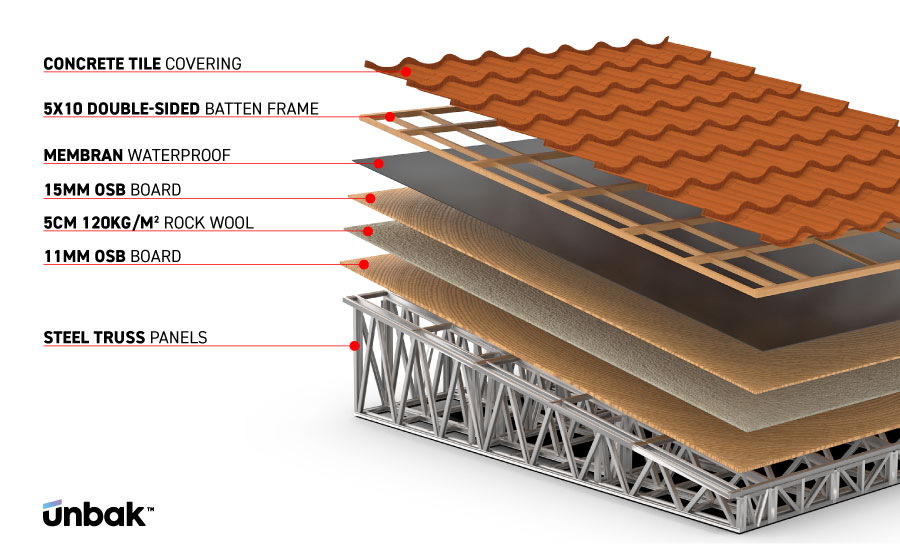
The framing phase establishes the home’s skeleton, including walls, floors, and roof structures. Builders use wood, steel, or engineered materials depending on cost, durability, and design requirements.
After framing, roofing is installed to protect the structure from weather conditions. Roofing choices range from asphalt shingles to metal or tile, each offering different lifespans and aesthetic qualities. Proper insulation and ventilation are also incorporated to maintain energy efficiency and comfort.
Electrical, Plumbing, and HVAC Systems
Behind the walls of every single family home lies an intricate network of essential systems. Electricians install wiring for outlets, lighting, and appliances. Plumbers set up water supply and drainage systems, while HVAC professionals install heating, ventilation, and cooling units.
These systems form the backbone of modern living. They must comply with strict safety codes and undergo inspection before interior finishes can proceed. High-efficiency equipment is often chosen to minimize energy use and reduce operating costs.
Interior Finishes and Customization
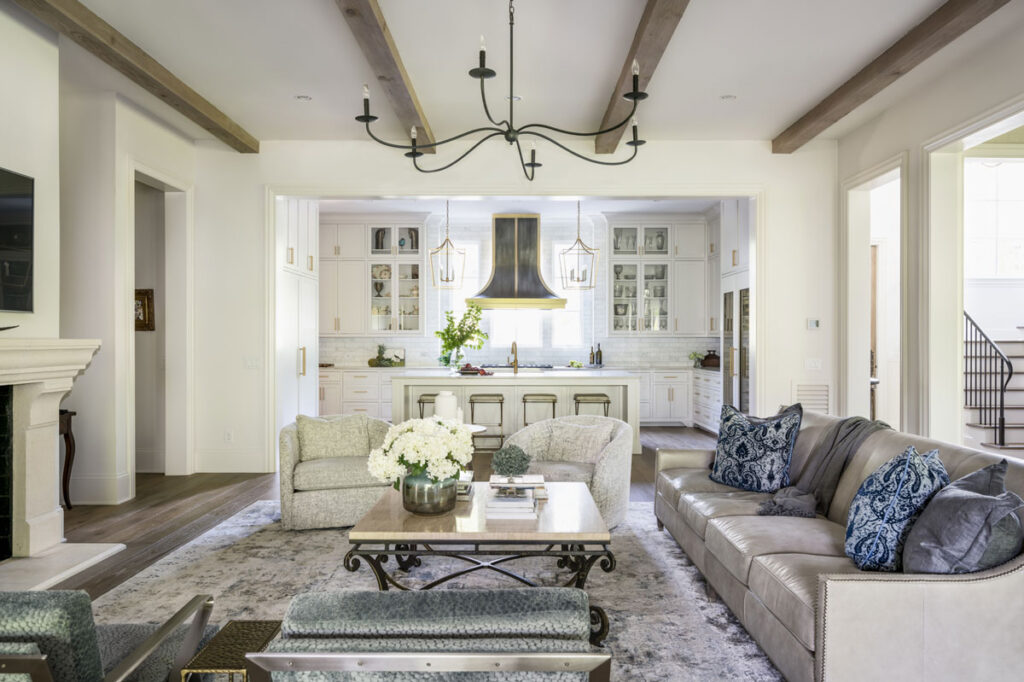
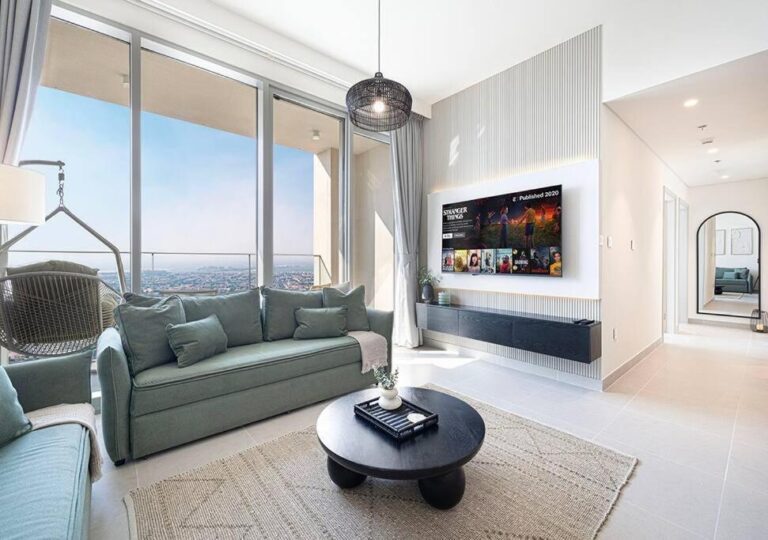
The final construction phase focuses on interior finishes, including drywall, flooring, cabinetry, painting, and fixtures. This is where personal style comes into play. Homeowners select finishes that reflect their tastes, from hardwood flooring to stone countertops.
Customization also extends to smart technology, built-in storage, and outdoor living spaces. By the end of this phase, the single-family home transitions from a structure to a personalized living environment ready for occupancy.
Real-World Examples of Single-Family Home Construction
Example 1: Suburban Detached Homes
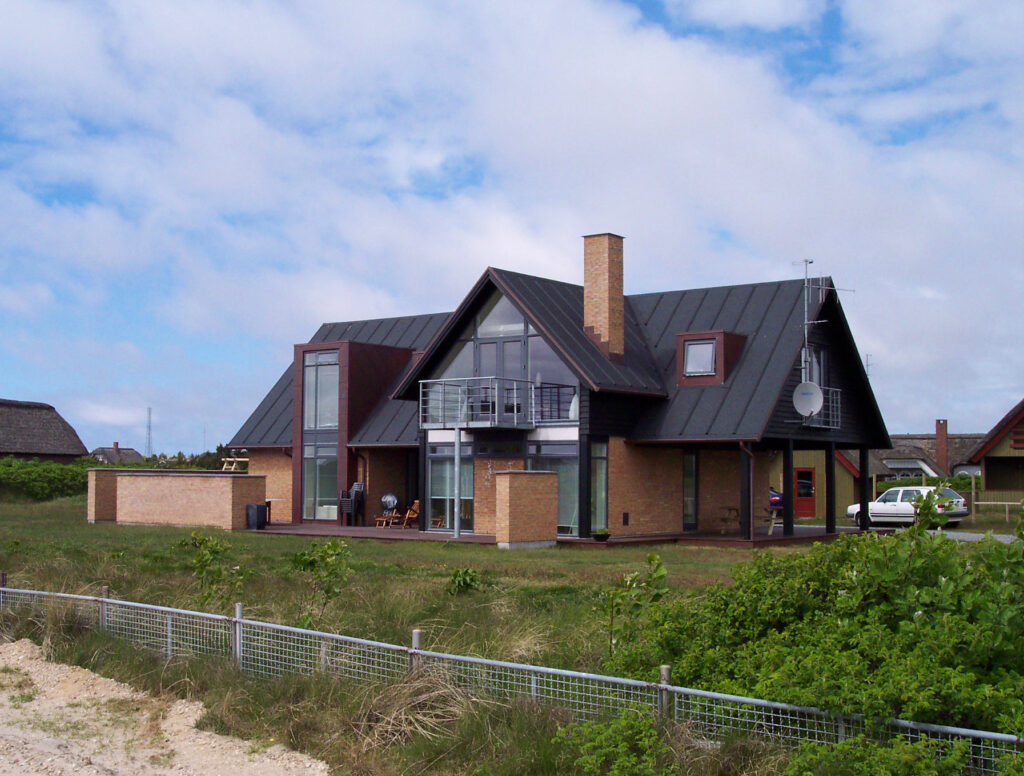
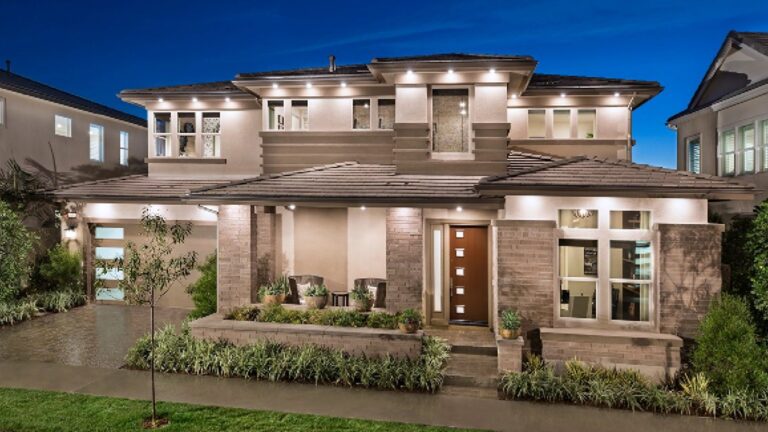
Suburban developments are perhaps the most recognizable form of single-family homes. These houses are designed for families seeking privacy, yard space, and community amenities.
For instance, a suburban project may feature homes with garages, landscaped lawns, and open floor plans. Builders often use energy-efficient materials and smart designs to reduce long-term costs while increasing comfort. These developments illustrate how single-family home construction supports growing families with versatile and sustainable spaces.
Example 2: Custom Luxury Residences
Custom luxury homes represent the high end of single-family construction. These properties are built to order, with features such as grand entryways, gourmet kitchens, home theaters, and private swimming pools.
A luxury single-family residence might integrate imported materials, advanced automation systems, and expansive square footage. These homes demonstrate how single-family construction can adapt to bespoke lifestyles, blending architectural artistry with cutting-edge technology.
Example 3: Eco-Friendly Single Family Homes
Sustainability has become a defining feature of modern residential construction. Eco-friendly single-family homes incorporate renewable energy, recycled materials, and water-saving systems.
For example, a green home may use solar panels, rainwater harvesting tanks, and high-performance insulation. Builders design layouts that maximize natural light and airflow, reducing reliance on artificial systems. These homes highlight how construction practices can align with environmental responsibility while offering long-term savings.
Example 4: Rural Farmhouses and Ranch-Style Homes
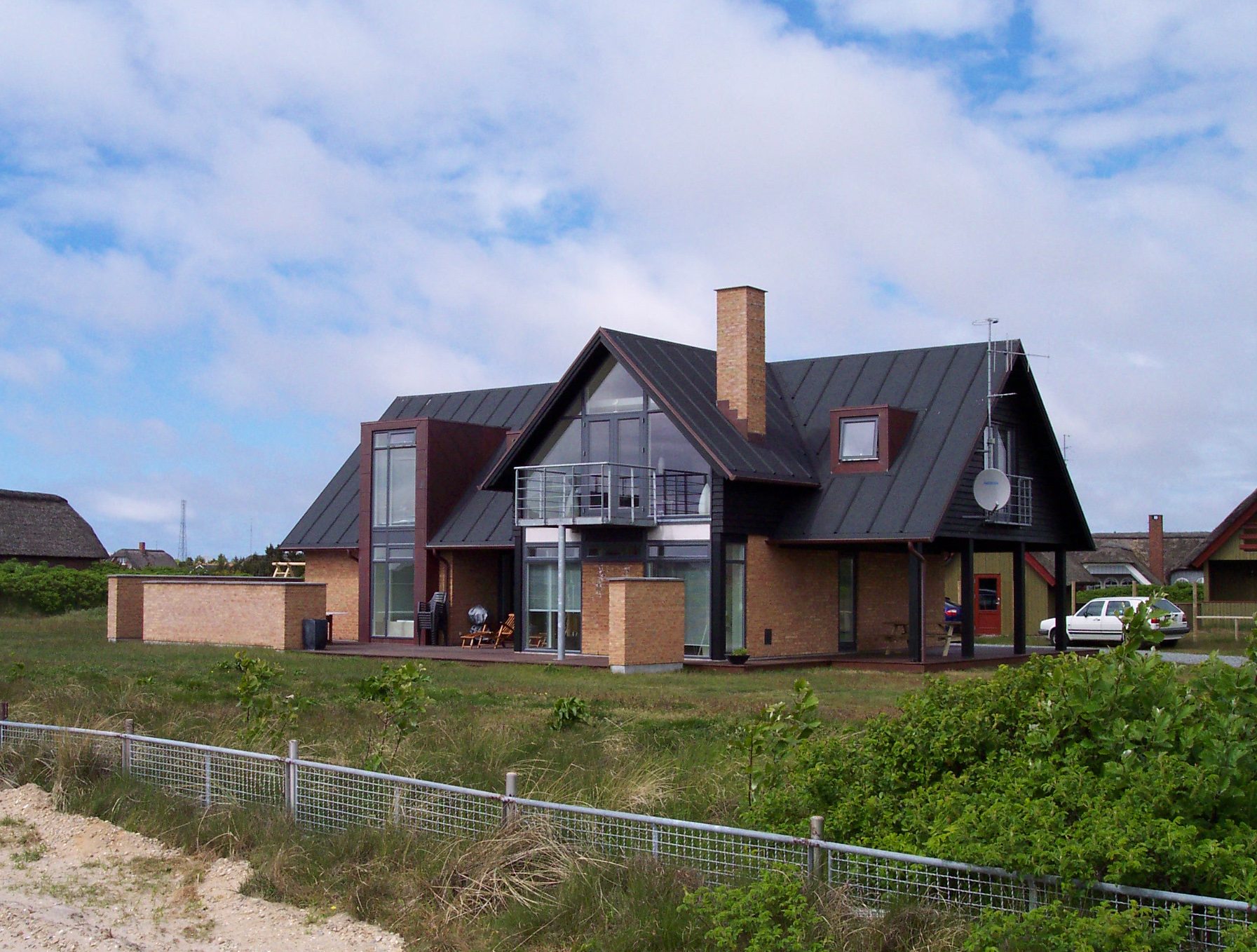
In rural areas, single-family homes often take the form of farmhouses or ranch-style properties. These homes are built with durability and functionality in mind, often including large porches, barns, and open fields.
Rural single-family construction prioritizes practicality while still offering comfort. Builders may incorporate traditional aesthetics with modern conveniences, creating homes that reflect both heritage and progress.
Benefits of Technology in Single-Family Home Construction
Smart Home Systems
Technology plays a central role in new single-family homes. Smart home systems allow homeowners to control lighting, security, and climate remotely via smartphones or voice assistants.
This integration enhances safety, energy efficiency, and convenience. Builders now design homes with built-in smart infrastructure, reducing the need for costly retrofits and providing immediate value.
Energy Efficiency and Green Building Materials
Advances in technology allow for more sustainable construction practices. Energy-efficient HVAC systems, low-emissivity windows, and insulated concrete forms reduce energy consumption significantly.
Builders also use eco-friendly materials like bamboo flooring, recycled steel, and non-toxic paints. These innovations improve indoor air quality and lower environmental impact while increasing the property’s value.
Modular and Prefabricated Techniques
Construction methods are also evolving. Prefabricated components and modular techniques reduce build time, improve quality control, and minimize material waste.
By leveraging these methods, builders can deliver single-family homes faster and with greater precision. This approach benefits both developers and homeowners by ensuring consistency and reducing overall costs.
Practical Use Cases of Single-Family Home Construction
Addressing Housing Demand
As urban populations expand, single-family home construction provides much-needed housing solutions in suburban and rural areas. It helps reduce pressure on city centers while giving families access to space and affordability.
Supporting Modern Lifestyles
Homes today are designed with flexible spaces that can serve as home offices, gyms, or multi-purpose rooms. Single-family construction adapts to these evolving needs, ensuring functionality in changing times.
Promoting Sustainability
With eco-conscious practices, single-family homes can significantly lower carbon footprints. Incorporating renewable energy and efficient designs helps communities move toward sustainability goals while offering financial benefits.
Building Community Identity
Suburban single-family neighborhoods often include parks, schools, and retail spaces. This fosters social interaction, creates safer environments, and strengthens community ties.
Frequently Asked Questions
1. How long does it take to build a single-family home?
Construction timelines vary depending on size, design, and complexity. On average, it can take six months to one year, though larger or custom homes may take longer.
2. Are single-family homes more expensive to build than multi-family units?
Per unit, single-family homes can be more costly due to land use and infrastructure requirements. However, they offer greater privacy, customization, and long-term resale value.
3. What are the main advantages of building a single-family home today?
The key advantages include personalization, energy-efficient designs, privacy, and the ability to adapt layouts for modern lifestyles. These benefits make single-family home construction a strong choice for families and investors alike.