Jam Factory Redevelopment: Revitalizing a Historic Melbourne Landmark
The Jam Factory redevelopment is one of Melbourne’s most ambitious urban renewal projects, blending historic preservation with modern mixed-use design. Located in South Yarra on the bustling Chapel Street, the Jam Factory has long been a cultural and architectural landmark. Originally built in the 1850s as a manufacturing site, it later became a shopping and entertainment hub, hosting cinemas, retail stores, and dining spaces.
In recent years, however, the building faced challenges as consumer behavior shifted, retail spaces declined, and the precinct no longer reflected modern urban demands. To address this, developers initiated a major redevelopment plan to transform the Jam Factory into a world-class mixed-use precinct, combining residential apartments, offices, retail, entertainment, and hospitality. This project not only redefines the use of historic urban spaces but also sets the stage for Melbourne’s future growth as a global lifestyle city.
The History and Significance of the Jam Factory
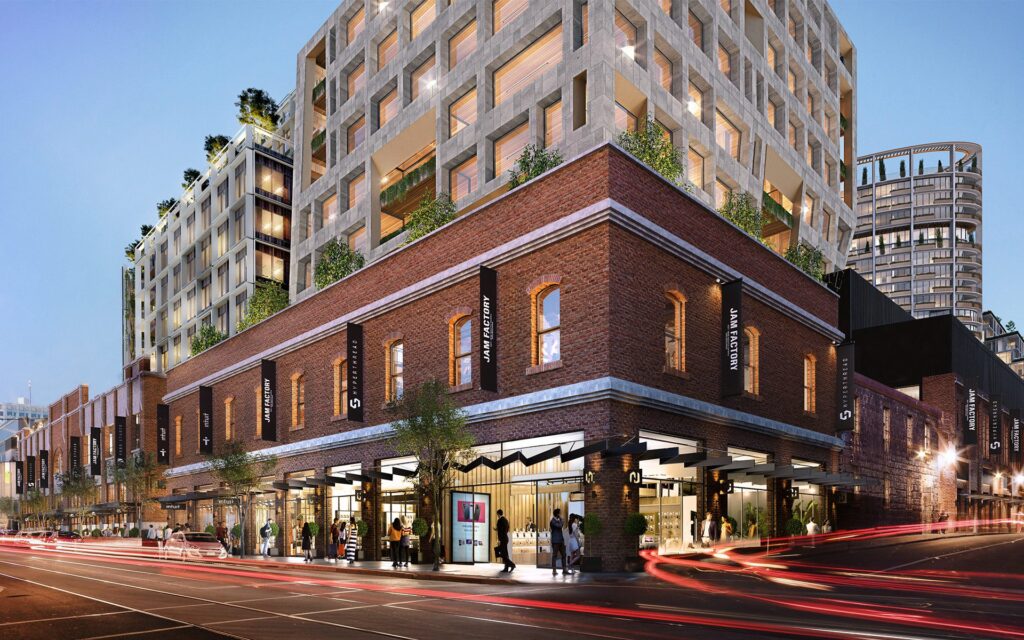
Origins of the Landmark
The Jam Factory’s roots go back to the mid-19th century, when it operated as a manufacturing site, producing jams and preserves that became household staples across Australia. Its industrial heritage and red-brick façade made it a recognizable icon of Melbourne’s early economic growth.
By the late 20th century, the site transformed into a shopping and entertainment complex. Cinemas, fashion retailers, and restaurants attracted locals and visitors, making it a social hotspot along Chapel Street. The Jam Factory became synonymous with urban leisure, reflecting Melbourne’s cultural dynamism.
Decline and Need for Renewal
Despite its popularity, the Jam Factory struggled to maintain its relevance in the face of online shopping, newer retail centers, and changing consumer preferences. Foot traffic declined, and many spaces within the precinct were underutilized. Its heritage architecture remained significant, but the lack of modernization created a mismatch between its cultural value and urban needs.
The redevelopment project emerged as a solution, aiming to honor the Jam Factory’s history while reimagining it for contemporary living and commerce.
Vision Behind the Jam Factory Redevelopment
A Mixed-Use Precinct for the Future
The core vision of the redevelopment is to create a mixed-use precinct that integrates retail, residential, office, and entertainment spaces within one cohesive design. The redevelopment includes luxury apartments, high-quality office towers, boutique retail stores, dining areas, and upgraded cinemas.
By combining these functions, the Jam Factory is no longer just a shopping destination but a self-sustaining urban village. This model reflects global urban trends where multifunctional precincts ensure long-term resilience against economic and social shifts.
Balancing Heritage and Innovation
One of the most striking aspects of the redevelopment is the preservation of the Jam Factory’s heritage façades and industrial character. Developers are retaining the iconic red-brick architecture while introducing sleek modern structures behind and above it.
This approach represents adaptive reuse, a method where historical buildings are conserved and integrated into modern functions. It allows the Jam Factory to maintain its cultural identity while offering state-of-the-art facilities for residents, workers, and visitors.
Real-World Examples within the Jam Factory Redevelopment
Luxury Residential Apartments
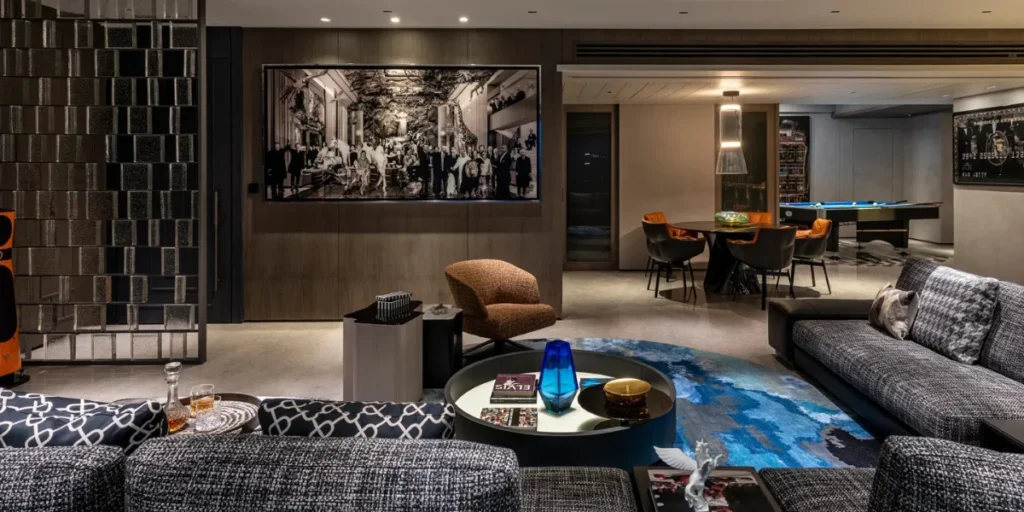
A significant part of the redevelopment includes the creation of high-end residential apartments. These residences are designed with spacious layouts, modern interiors, and access to exclusive amenities such as fitness centers, rooftop gardens, and communal spaces.
The apartments not only cater to Melbourne’s growing demand for inner-city living but also ensure that the precinct remains vibrant day and night. By integrating housing into the site, the redevelopment supports urban density while reducing reliance on suburban sprawl.
State-of-the-Art Office Spaces
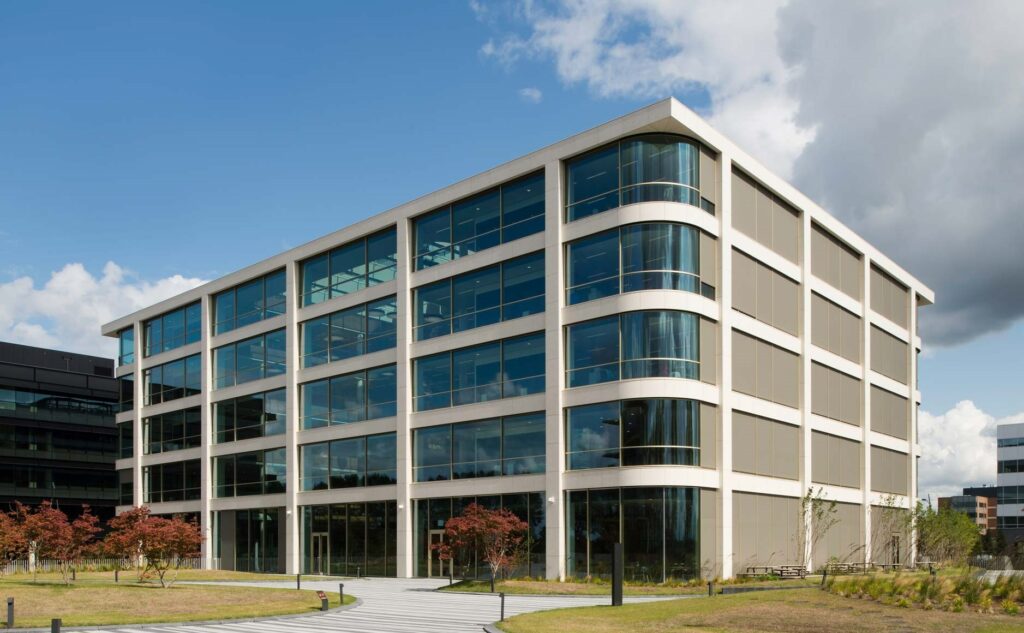
The redevelopment introduces premium office spaces, making the Jam Factory a hub for business and innovation. These offices are designed with flexible layouts, smart building technologies, and sustainable features such as energy-efficient systems and green roofs.
The inclusion of office spaces ensures a steady flow of workers into the precinct, supporting surrounding businesses and creating a balanced live-work-play environment. This integration transforms the Jam Factory from a leisure hub into a multi-dimensional economic driver.
Retail and Entertainment Upgrades
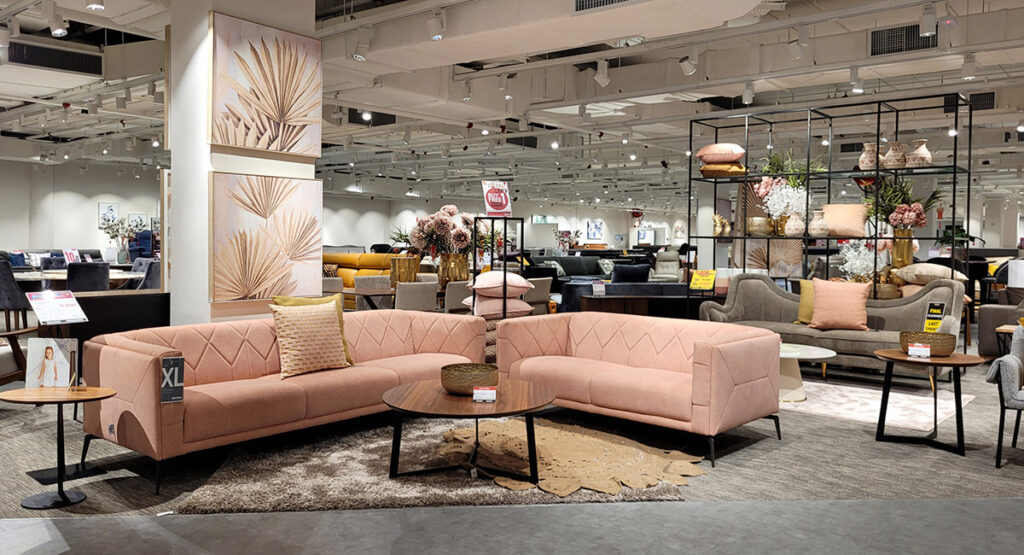
Retail remains a core component, but with a new emphasis on experience-driven shopping and dining. The redevelopment plans include boutique retail outlets, artisanal shops, and fine-dining restaurants. The cinema complex will also be modernized, offering immersive entertainment with cutting-edge technology.
This shift towards experiential retail reflects global trends, where shopping is no longer just transactional but a lifestyle activity. Visitors will be drawn not only to purchase goods but to enjoy culture, food, and entertainment in a dynamic urban setting.
Public and Community Spaces
The Jam Factory redevelopment also emphasizes public and community spaces. Landscaped courtyards, pedestrian-friendly zones, and cultural venues are designed to enhance inclusivity and social interaction. These areas create opportunities for community events, cultural performances, and casual gatherings.
By including accessible public spaces, the redevelopment ensures that the Jam Factory continues to serve as a community anchor, not just a private development for residents and businesses.
Benefits of Technology in the Jam Factory Redevelopment
Smart Building Systems
The redevelopment leverages smart technologies to create sustainable and efficient buildings. Features include automated climate control, advanced lighting systems, and high-level security solutions. In residential and office spaces, smart technologies allow for seamless connectivity, energy optimization, and real-time monitoring.
These advancements not only enhance convenience but also reduce energy consumption, lowering the precinct’s carbon footprint.
Sustainable Construction and Design
Developers are incorporating green building practices, such as recycled materials, rainwater harvesting, and solar power integration. The design emphasizes natural ventilation, daylight optimization, and eco-friendly landscaping.
By embedding sustainability into the project, the Jam Factory redevelopment positions itself as a benchmark for eco-conscious urban design, aligning with Melbourne’s broader sustainability goals.
Practical Benefits of the Jam Factory Redevelopment
Economic Revitalization
The redevelopment is expected to generate significant economic activity, from construction jobs to long-term business opportunities. Retail and hospitality operators will benefit from increased foot traffic, while property values in the surrounding area are likely to rise.
By creating a multifunctional precinct, the Jam Factory becomes a magnet for investment, talent, and innovation.
Enhanced Quality of Life
For residents and visitors alike, the redevelopment delivers a higher quality of life. Modern housing, vibrant entertainment, accessible public spaces, and sustainable design ensure that the Jam Factory caters to diverse urban needs.
The integration of heritage architecture with modern facilities also enhances Melbourne’s cultural identity, giving people a sense of connection to the past while enjoying the conveniences of the future.
Use Cases: Why the Jam Factory Redevelopment Matters
Addressing Declining Urban Assets
The Jam Factory redevelopment demonstrates how aging urban assets can be revitalized instead of abandoned. By transforming a declining retail center into a multifunctional precinct, developers show how adaptive reuse can extend the life and value of historic properties.
This model can inspire other cities with similar underperforming landmarks to pursue redevelopment instead of demolition.
Supporting Sustainable Urban Growth
As Melbourne’s population grows, the redevelopment offers a blueprint for sustainable urban density. Instead of expanding into suburban areas, the project reuses existing land, integrating housing, offices, and leisure into one precinct.
This reduces commuting times, promotes walkability, and aligns with sustainable city-building practices.
Strengthening Cultural Identity
By retaining the Jam Factory’s heritage façade and industrial character, the redevelopment ensures that Melbourne’s cultural memory is preserved. This approach balances modernization with historic continuity, strengthening the community’s sense of identity and pride.
Conclusion
The Jam Factory redevelopment is more than an architectural project; it is a vision for Melbourne’s future. By reimagining a historic landmark into a vibrant mixed-use precinct, it combines heritage, modernity, sustainability, and community in one space.
Through luxury residences, premium offices, upgraded retail, and inclusive public spaces, the Jam Factory sets a precedent for urban renewal done right. It exemplifies how redevelopment projects can address modern challenges while honoring cultural heritage, making it a model for cities worldwide.
FAQ
1. What is the main purpose of the Jam Factory redevelopment?
The purpose is to transform the historic Jam Factory in South Yarra into a mixed-use precinct featuring residences, offices, retail, entertainment, and public spaces, while preserving its heritage character.
2. How will the redevelopment benefit the community?
It revitalizes Chapel Street by attracting businesses, creating jobs, and offering modern housing and public spaces. The community will benefit from improved amenities, cultural venues, and a renewed sense of place.
3. Why is the Jam Factory redevelopment significant for Melbourne?
It demonstrates how heritage preservation and modern urban design can coexist. By revitalizing a historic landmark, Melbourne strengthens its cultural identity while embracing sustainable and future-ready urban growth.