Redevelopment: Meaning, Benefits, and Real-World Examples of Urban Transformation
Redevelopment refers to the process of transforming existing buildings, neighborhoods, or urban areas into more modern, functional, and sustainable spaces. It is not simply about replacing old structures but about reimagining the way people live, work, and interact with their environment. Redevelopment projects can range from updating a single residential building to revitalizing entire districts of a city.
As urban populations grow and cities age, redevelopment becomes essential to address outdated infrastructure, declining neighborhoods, and increasing demand for housing and services. Governments, developers, and city planners around the world use redevelopment as a tool to breathe new life into underutilized or decaying areas, creating opportunities for growth, innovation, and improved quality of life.
Understanding the Core Principles of Redevelopment
What Redevelopment Means in Urban Contexts
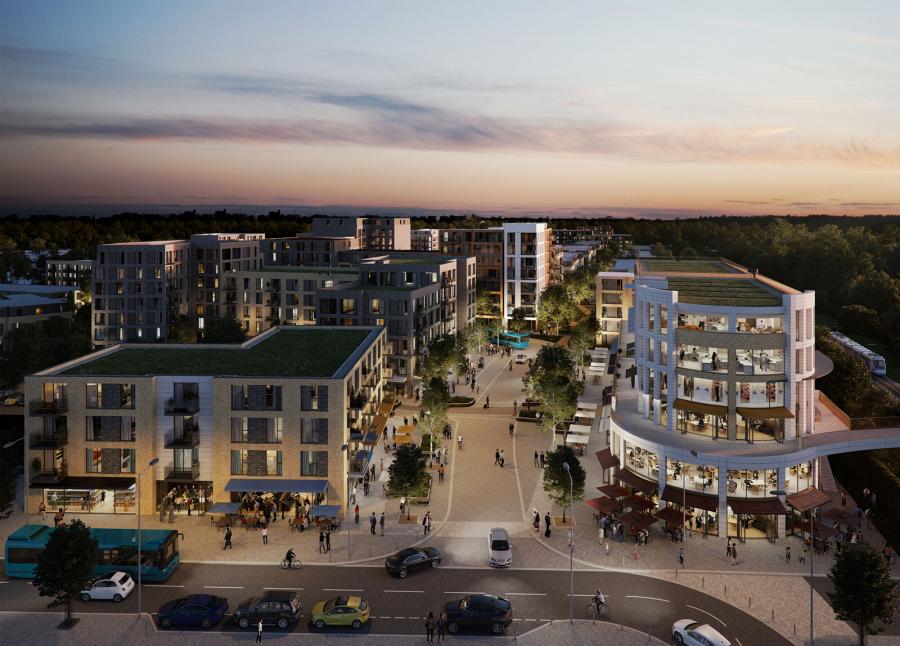
In an urban context, redevelopment involves a strategic approach to improving land use. It may include demolishing old or unsafe structures, refurbishing existing buildings, or completely transforming large city areas into mixed-use zones. Redevelopment is not only about architecture but also about social and economic revitalization, ensuring that communities benefit from modern infrastructure and improved services.
For example, redevelopment often addresses critical needs such as affordable housing, efficient transportation, green public spaces, and sustainable urban design. By focusing on these aspects, redevelopment becomes a powerful tool to counter urban decay and adapt to the changing needs of society.
Redevelopment vs. New Development
Unlike new development, which usually occurs on undeveloped land, redevelopment maximizes the use of existing urban spaces. This is particularly relevant in cities where land is scarce, such as London, Tokyo, or New York. Redevelopment ensures that historic or centrally located areas are not left behind while still allowing for modernization and growth.
This balance between old and new is one of the reasons redevelopment is considered more sustainable, as it reduces urban sprawl and makes better use of existing infrastructure.
Benefits of Redevelopment
Revitalization of Communities
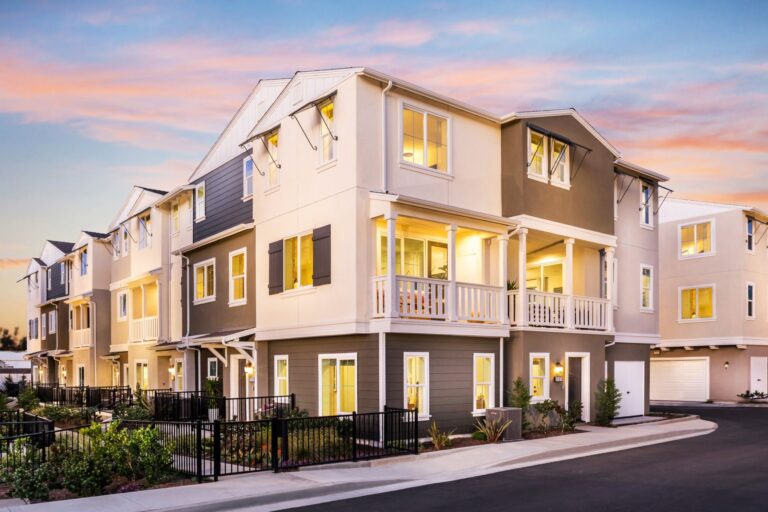
One of the primary benefits of redevelopment is the revitalization of communities. Many neighborhoods suffer from aging buildings, a lack of investment, and reduced public engagement. Redevelopment projects breathe new life into these areas by creating modern housing, retail spaces, and public amenities that encourage community interaction.
This not only improves quality of life but also boosts local economies by attracting businesses, tourism, and investment. Revitalized communities tend to be safer, more vibrant, and more inclusive.
Sustainability and Environmental Responsibility
Redevelopment projects increasingly incorporate green building standards, renewable energy, and sustainable materials. Instead of contributing to urban sprawl, redevelopment maximizes existing land and infrastructure, reducing the need to encroach on natural habitats.
By focusing on energy efficiency, waste reduction, and sustainable design, redevelopment projects help cities meet climate targets while promoting healthier environments for residents.
Economic Growth and Employment
Redevelopment drives economic activity by creating jobs in construction, architecture, design, and long-term business opportunities. From small local businesses to multinational corporations, the ripple effect of redevelopment can stimulate entire regional economies.
At the same time, property values often rise in redeveloped areas, generating more revenue for cities through taxes, which can then be reinvested in public services.
Real-World Examples of Redevelopment Projects
Hudson Yards, New York City
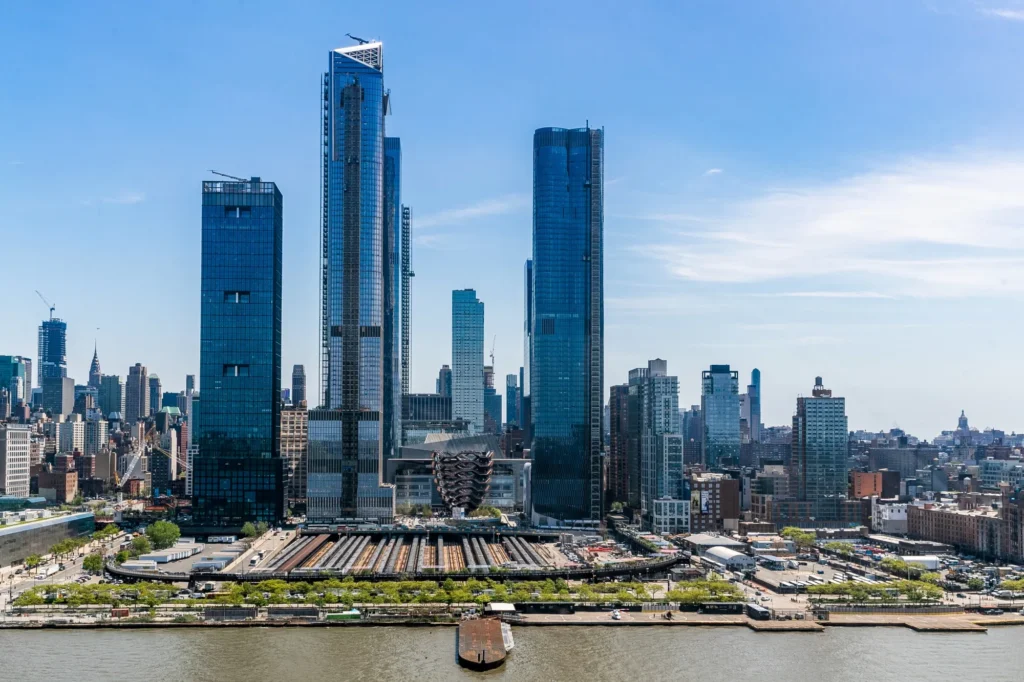
The Hudson Yards redevelopment project in New York City is one of the largest urban redevelopment initiatives in the United States. Built on a former rail yard, it has transformed into a modern mixed-use district featuring office towers, residential buildings, shopping centers, public art, and parks.
Hudson Yards represents the potential of redevelopment to create entirely new neighborhoods out of underutilized spaces. Its emphasis on sustainability, including green roofs and energy-efficient systems, highlights how redevelopment can balance modern luxury with environmental responsibility.
King’s Cross Redevelopment, London
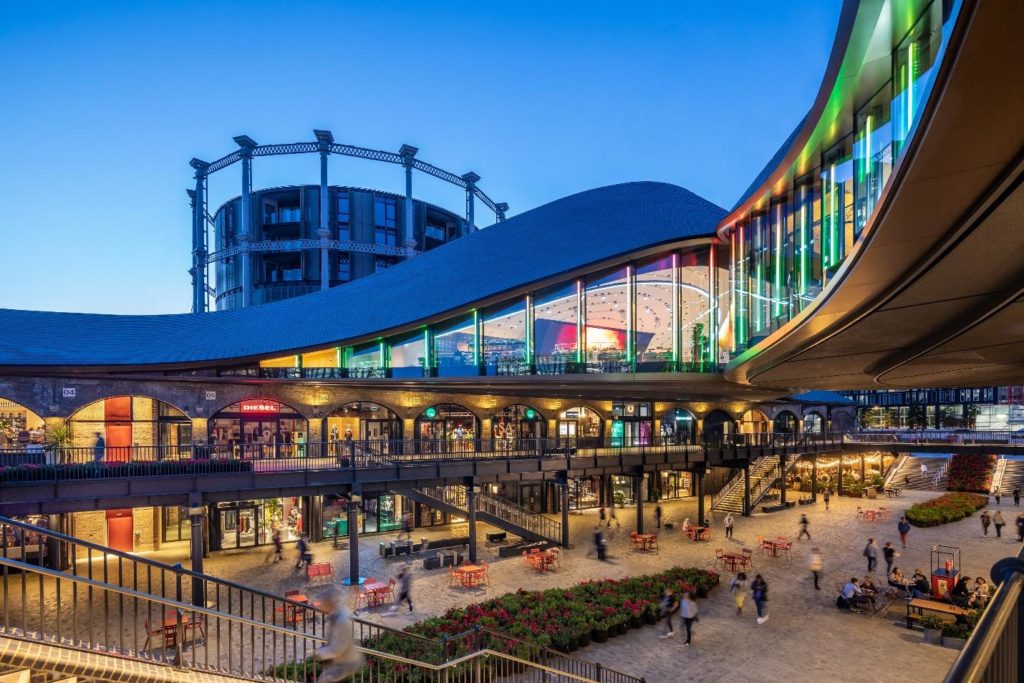
The King’s Cross redevelopment in London is a globally recognized success story. Once an industrial area with declining warehouses aa nd a poor reputation, it has been reimagined into a vibrant hub of culture, business, and education. Today, it houses corporate offices, retail stores, public plazas, and cultural institutions like the British Library.
This project preserved historical architecture while integrating modern infrastructure, making it a model for heritage-sensitive redevelopment. The success of King’s Cross demonstrates how redevelopment can turn neglected zones into world-class destinations.
Roppongi Hills, Tokyo
Roppongi Hills in Tokyo is an example of large-scale redevelopment that integrates culture, business, and lifestyle. Previously a low-rise residential area, it was redeveloped into a 27-acre complex featuring office towers, luxury apartments, museums, cinemas, and parks.
The project emphasizes mixed-use development, ensuring that residents and visitors have access to everything from workspaces to cultural experiences within walking distance. Its global reputation illustrates how redevelopment can enhance a city’s identity and attract international attention.
Dharavi Redevelopment Project, Mumbai
In contrast to luxury projects, the Dharavi redevelopment project in Mumbai addresses one of the world’s largest informal settlements. Dharavi is home to over 700,000 people, many of whom live in substandard housing with limited access to basic infrastructure.
The redevelopment aims to provide modern housing, sanitation, and public amenities while supporting the existing local economy of small-scale industries. Although complex and challenging, Dharavi highlights how redevelopment can be a tool for social equity, transforming marginalized communities into healthier, more inclusive urban environments.
How Technology Supports Redevelopment
Smart City Integration
Technology plays a critical role in modern redevelopment projects. Smart city systems, including IoT sensors, AI-based traffic management, and digital twins, allow planners to design efficient, adaptable, and resilient neighborhoods.
Digital twins, for example, create virtual models of redeveloped areas, enabling planners to test scenarios for energy usage, traffic flow, or disaster resilience before physical construction begins. This ensures smarter decision-making and reduced risk.
Sustainable Construction Practices
Advancements in technology also support sustainable construction. Green building materials, modular construction, and renewable energy integration are widely used in redevelopment. These technologies reduce carbon footprints, accelerate construction timelines, and minimize disruption to surrounding communities.
Projects like Hudson Yards and Roppongi Hills showcase how modern redevelopment prioritizes sustainability, proving that technology is not an afterthought but a driving force of urban transformation.
Use Cases: Why Redevelopment Matters in Real Life
Upgrading Outdated Infrastructure
Many cities worldwide face the challenge of outdated infrastructure that no longer meets modern needs. Redevelopment allows governments and developers to replace inefficient systems with modern utilities, ensuring safety, efficiency, and sustainability.
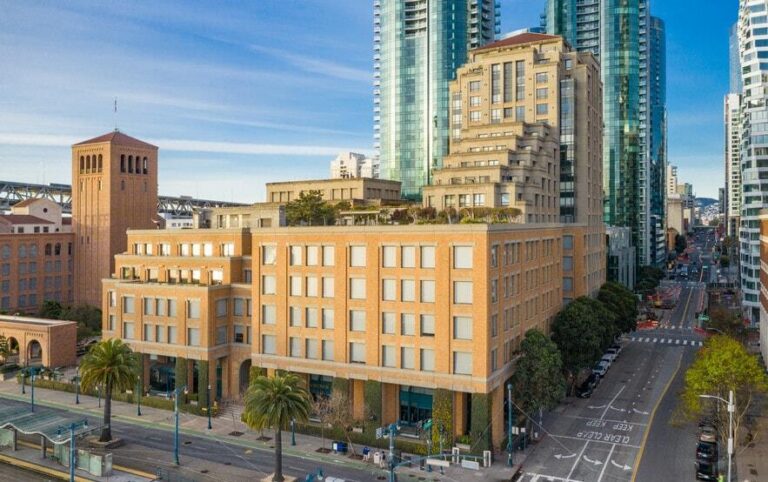
For example, redeveloping old residential complexes often includes updating water systems, electrical grids, and waste management solutions. These upgrades improve daily living conditions and reduce long-term maintenance costs.
Addressing Housing Shortages
Redevelopment is a solution to housing shortages, especially in dense urban areas. By converting old commercial or industrial zones into residential developments, cities can provide affordable and accessible housing.
This is particularly important in cities like London, New York, and Mumbai, where growing populations demand smarter land use.
Enhancing Disaster Preparedness
In regions prone to earthquakes, floods, or storms, redevelopment ensures that new structures are built with disaster-resilient technologies. This proactive approach minimizes risks, saves lives, and reduces long-term economic losses.
Tokyo’s redevelopment projects, for example, integrate earthquake-resistant architecture, while waterfront redevelopments worldwide focus on flood defenses.
Conclusion
Redevelopment is more than just construction; it is the reimagining of urban life. From luxury complexes like Hudson Yards and Roppongi Hills to socially impactful projects like Dharavi, redevelopment shows its versatility in addressing diverse challenges.
Through the integration of technology, sustainability, and community engagement, redevelopment creates vibrant, resilient, and future-ready cities. As urban populations continue to grow, redevelopment will remain one of the most powerful tools for shaping the future of our built environment.
FAQ
1. What is the main purpose of redevelopment?
The primary purpose of redevelopment is to transform aging, underutilized, or decaying urban areas into modern, functional, and sustainable spaces. It ensures cities adapt to current and future needs while improving the quality of life for residents.
2. How does redevelopment benefit local communities?
Redevelopment revitalizes communities by improving housing, infrastructure, and public spaces. It also boosts local economies through job creation, increased property values, and business opportunities.
3. Can redevelopment preserve historical buildings?
Yes, many redevelopment projects integrate heritage preservation into their designs. Sites like King’s Cross in London have successfully combined historic architecture with modern infrastructure, proving redevelopment can honor the past while building for the future.