Whiteleys Redevelopment: Transforming a London Landmark into a Modern Icon
The Whiteleys redevelopment is one of London’s most ambitious urban transformation projects, reshaping a historic department store into a modern hub of luxury living, retail, and cultural spaces. Located in Bayswater, West London, Whiteleys once stood as one of the city’s earliest department stores, opening in 1911 and operating for decades as a retail destination.
Over time, however, the building lost its charm and fell behind modern standards. In response, a redevelopment plan was introduced to breathe new life into this heritage landmark. The project not only preserves its historic façade but also reimagines the space as a mixed-use development that reflects London’s evolution into a global city of innovation and lifestyle.
The History and Significance of Whiteleys

Origins as a Landmark Department Store
Whiteleys first opened as a grand department store in 1911, quickly becoming a hallmark of London retail. It symbolized luxury shopping in the early 20th century and was known for its architectural beauty, including the famous Edwardian façade. At its peak, Whiteleys was compared to Harrods and Selfridges, representing the golden age of department stores in London.
As consumer trends shifted and online shopping began to dominate, Whiteleys’ fortunes declined. The building went through several iterations, including being converted into a shopping mall in the 1980s, but none managed to restore its former prestige. By the 2010s, it was clear that only a full-scale redevelopment could revive its significance.
Cultural and Community Impact
Beyond its commercial role, Whiteleys carried deep cultural importance for Bayswater residents. It was a social gathering point, hosting restaurants, cinemas, and entertainment facilities. The redevelopment project acknowledges this heritage, aiming to create a space that balances history with modernity, ensuring the community retains a sense of continuity while embracing new opportunities.
Vision Behind the Whiteleys Redevelopment
Mixed-Use Luxury Concept
The redevelopment of Whiteleys is led by the concept of a mixed-use development, blending luxury residences, a hotel, retail spaces, and cultural facilities. The centerpiece is the transformation into The Whiteley London, a landmark that promises world-class living spaces alongside public amenities.
This approach reflects modern urban planning trends, where spaces are designed to cater to both residents and visitors. It ensures that Whiteleys is not just a luxury enclave but also a place where the community can interact, shop, dine, and engage with culture.
Preservation Meets Modernization
A core philosophy of the project is heritage conservation. While much of the original structure has been redesigned, the historic façade is preserved to maintain its Edwardian identity. This balance highlights how London embraces both its past and its future, making Whiteleys’ redevelopment a symbol of thoughtful urban regeneration.
Real-World Examples of the Whiteleys Redevelopment Project
The Whiteley Residences
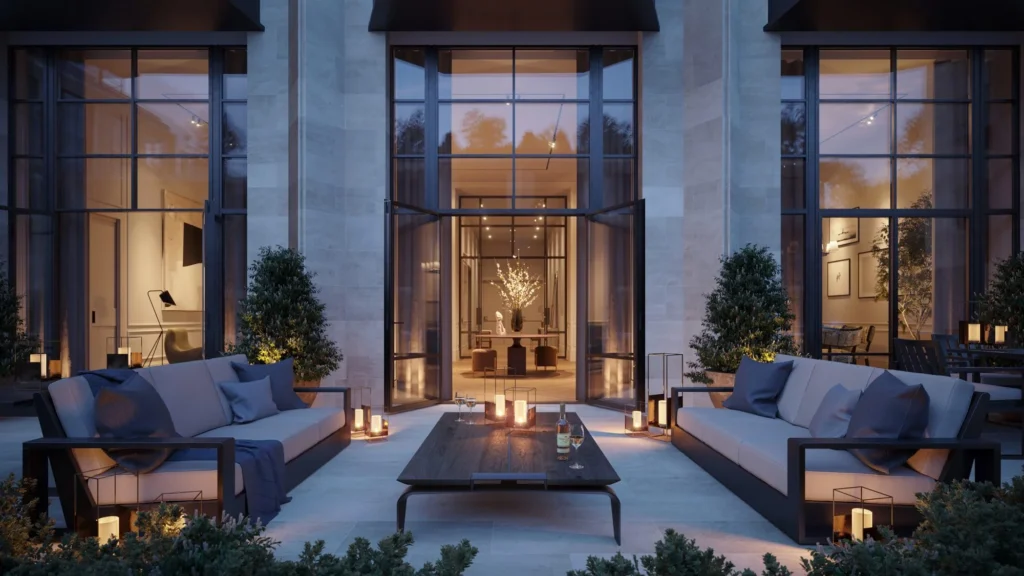
One of the most striking components of the redevelopment is the creation of residential apartments within the historic structure. Designed with luxury in mind, these residences blend modern architecture, spacious layouts, and bespoke interiors. Residents are offered access to amenities such as concierge services, wellness facilities, and private courtyards.
These homes represent how the redevelopment transforms Whiteleys into more than just a retail hub, elevating it to a world-class residential address in London. The demand for luxury living in the Bayswater area makes this aspect a cornerstone of the project’s long-term success.
Six Senses London Hotel
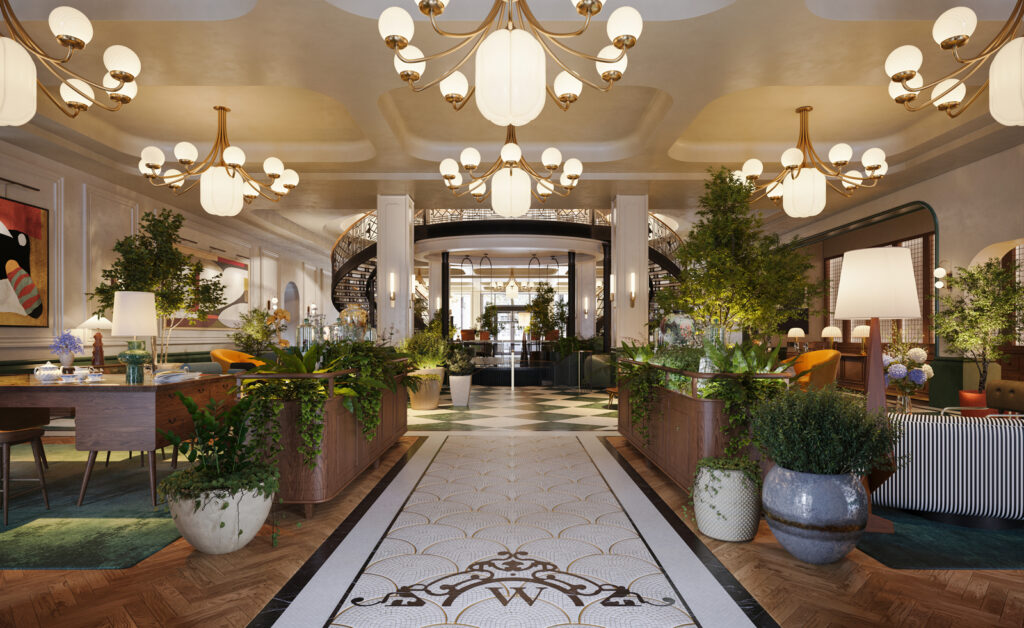
Another major highlight of the Whiteleys redevelopment is the Six Senses London Hotel, the first of its kind in the UK. Known globally for its focus on wellness and sustainability, Six Senses brings a hospitality experience that aligns with modern expectations of health-conscious luxury.
The hotel will feature spa and wellness facilities, organic dining concepts, and eco-friendly operations. Its presence ensures that Whiteleys becomes a destination for both international visitors and locals, contributing to Bayswater’s global appeal while boosting the local economy.
Retail and Lifestyle Spaces
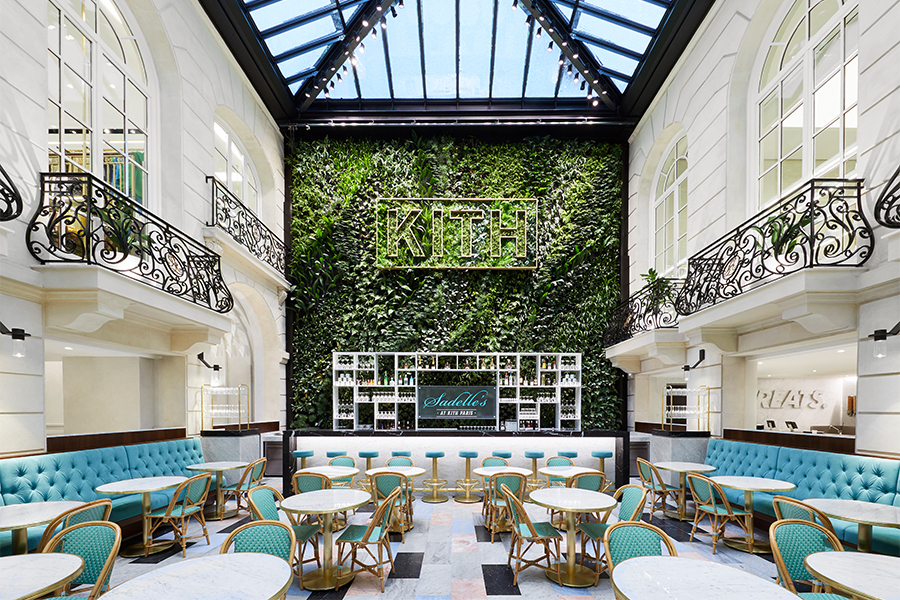
Retail remains central to the project, though with a modern twist. Instead of the large-scale department store model, Whiteleys will feature curated retail spaces, including boutique shops, artisanal brands, and experiential concepts. This caters to contemporary consumer preferences, where experience-driven shopping outshines traditional retail.
By focusing on lifestyle and experiential shopping, the redevelopment ensures that Whiteleys becomes a hub where culture, fashion, and community converge. The emphasis on smaller, innovative brands also fosters a vibrant, creative ecosystem.
Public and Cultural Spaces
A crucial aspect of the redevelopment is the inclusion of public spaces. These are designed to serve not only the affluent residents but also the wider Bayswater community. Plans include landscaped courtyards, cultural venues, and open areas for social interaction.
This ensures that Whiteleys retains its role as a community anchor. Rather than becoming an exclusive enclave, it aims to provide shared experiences that foster inclusivity and urban vibrancy.
The Role of Technology in Whiteleys Redevelopment
Smart Building Design
The Whiteleys redevelopment leverages smart building technologies to create sustainable and efficient spaces. This includes automated climate control, energy-efficient lighting, and advanced security systems. The integration of smart home systems within residences ensures a seamless living experience for future occupants.
By adopting these technologies, the redevelopment reduces environmental impact while providing residents with greater convenience and security. This aligns with London’s broader vision of becoming a smart and sustainable city.
Sustainable Construction and Operations
Sustainability is at the heart of the redevelopment. The project employs eco-friendly construction materials, advanced insulation systems, and renewable energy sources to minimize its carbon footprint. The Six Senses Hotel, for instance, integrates wellness with environmental responsibility by focusing on sustainable dining, water conservation, and waste reduction.
This commitment to green technologies ensures that the Whiteleys redevelopment sets a precedent for future urban regeneration projects across London and beyond.
Benefits of the Whiteleys Redevelopment
Revitalization of Bayswater
One of the most significant benefits of this redevelopment is the revitalization of the Bayswater area. By introducing luxury residences, global hospitality brands, and curated retail, the project attracts investment and enhances the neighborhood’s profile.
This leads to a ripple effect, where local businesses thrive, property values increase, and the area becomes more attractive to both Londoners and international visitors.
Preserving Heritage While Creating Modernity
The Whiteleys redevelopment demonstrates how historic preservation and modern innovation can coexist. The iconic façade remains, paying tribute to the past, while the interiors and facilities embrace the future. This blend creates a sense of identity and continuity for the community.
It serves as a model for urban redevelopment worldwide, showing how cities can respect heritage while addressing modern needs.
Use Cases: Why Whiteleys Redevelopment Matters in Real Life
Addressing Declining Urban Assets
Many cities face the challenge of declining buildings that no longer serve their purpose. The Whiteleys redevelopment shows how adaptive reuse can give such landmarks a new lease of life. Instead of demolishing the structure, it was reimagined to meet modern demands.
This prevents wastage, preserves cultural memory, and delivers new economic opportunities.
Creating Multi-Functional Urban Spaces
The redevelopment also addresses the modern demand for multi-functional spaces. By combining residences, hospitality, retail, and public areas, Whiteleys becomes more resilient to economic shifts. Unlike single-use spaces that risk obsolescence, mixed-use developments remain relevant across different market conditions.
This versatility ensures long-term sustainability and adaptability, benefiting both investors and communities.
Promoting Sustainable Urban Development
Whiteleys also illustrates how redevelopment projects can incorporate sustainable practices. By adopting eco-friendly technologies and emphasizing wellness, it addresses global challenges like climate change and urban pollution while setting new standards for urban living.
Conclusion
The Whiteleys redevelopment is more than just a construction project; it is a transformation of a London landmark into a modern icon of urban regeneration. By preserving heritage, introducing luxury living and wellness-focused hospitality, and leveraging sustainable technologies, it exemplifies the future of urban development.
For Bayswater, it marks a new era of vibrancy and economic renewal. For London, it sets a benchmark in how cities can evolve while honoring their past. As urban challenges intensify worldwide, the Whiteleys redevelopment stands as an inspiring model of how thoughtful planning and innovation can shape the cities of tomorrow.
FAQ
1. What is the purpose of the Whiteleys redevelopment?
The project aims to transform the historic Whiteleys building into a mixed-use development featuring luxury residences, a Six Senses Hotel, retail spaces, and public areas, while preserving its heritage façade.
2. How does the redevelopment benefit the Bayswater community?
It revitalizes the area by attracting investment, enhancing property values, and creating new public and cultural spaces, ensuring that Bayswater remains a vibrant and desirable neighborhood.
3. What makes Whiteleys’ redevelopment unique compared to other London projects?
Its uniqueness lies in its balance of heritage preservation and modern luxury. Unlike many projects that demolish historic sites, Whiteleys integrates its Edwardian façade with cutting-edge design, sustainability, and community spaces.