Real Estate Redevelopment: Strategies, Benefits, and Real-World Examples
Real estate redevelopment has become one of the most important drivers of urban transformation across the globe. From revitalizing aging neighborhoods to repurposing abandoned commercial properties, redevelopment plays a critical role in shaping modern cities. This process involves more than just renovating existing buildings; it encompasses planning, financing, technology integration, and community engagement.
This article explores the strategies, benefits, challenges, and practical use cases of real estate redevelopment. You will also find real-world project examples that highlight how redevelopment reshapes communities, boosts property values, and creates long-term sustainability.
Understanding Real Estate Redevelopment
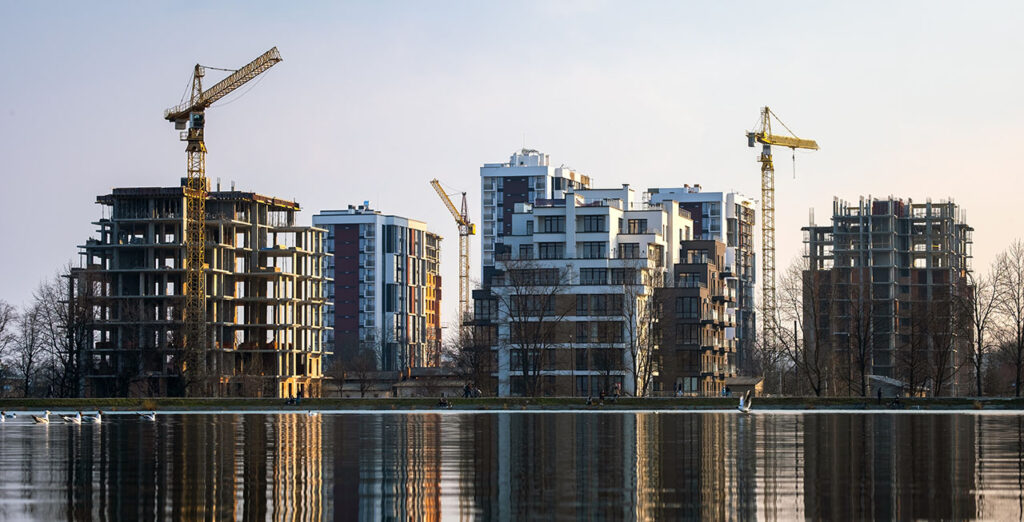
Real estate redevelopment refers to the process of transforming old, underutilized, or distressed properties into functional and valuable spaces. Unlike simple renovation, redevelopment often involves major structural changes, rezoning, or complete demolition and rebuilding.
This approach is crucial for cities with limited land availability. Instead of expanding outward, urban planners and developers focus on maximizing existing spaces, improving infrastructure, and aligning projects with modern living and business needs.
Key Strategies in Real Estate Redevelopment
Adaptive Reuse of Existing Structures
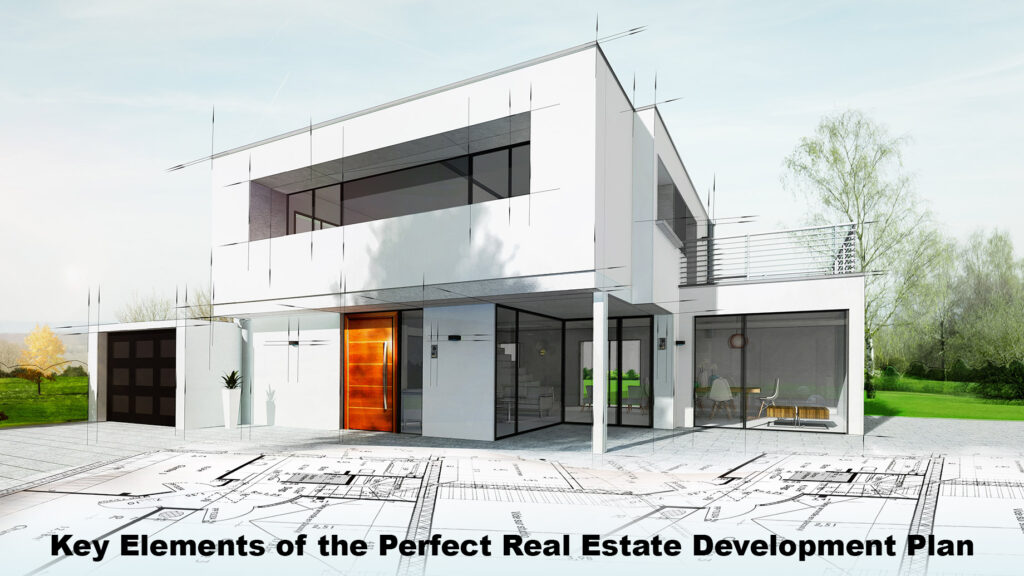
Adaptive reuse focuses on converting outdated properties into new, modern uses. For example, abandoned factories can become creative office spaces or residential lofts. This strategy not only preserves historical character but also reduces the environmental impact compared to building from scratch.
Developers often choose adaptive reuse for properties in prime locations where demand for housing, retail, or office space is strong. It allows cities to maintain architectural heritage while meeting modern needs.
Large-Scale Urban Renewal Projects
Urban renewal projects involve revitalizing entire neighborhoods or districts. These initiatives often combine residential, commercial, and recreational elements. Governments typically support such projects with incentives, infrastructure upgrades, and policy adjustments.
The goal is to improve livability, attract investment, and create a balanced community where people can live, work, and socialize in the same area.
Mixed-Use Development
Redevelopment increasingly emphasizes mixed-use projects, blending residential, retail, hospitality, and office spaces. These developments foster vibrant communities, reduce commuting, and increase property values.
Mixed-use redevelopment projects also align with sustainable urban design by promoting walkability and reducing reliance on cars.
Benefits of Real Estate Redevelopment
Revitalizing Urban Areas
One of the most visible benefits is the revitalization of neglected neighborhoods. Redevelopment introduces new infrastructure, modern housing, and commercial activity, which attract both residents and businesses.
This revitalization can also reduce crime rates, improve public perception, and increase civic pride. Communities once seen as unsafe or undesirable become hubs of activity and investment.
Economic Growth and Job Creation
Redevelopment projects create significant economic opportunities. From construction jobs to long-term employment in retail, office, or hospitality, redevelopment fuels local economies.
Additionally, by increasing property values and expanding tax bases, redevelopment strengthens municipal finances, allowing cities to reinvest in public services and infrastructure.
Sustainability and Smart Technology Integration
Modern redevelopment projects incorporate green building practices, renewable energy, and smart technologies. Energy-efficient designs, water conservation systems, and smart building automation reduce environmental footprints while lowering long-term costs.
The emphasis on sustainability ensures that redevelopment not only benefits the present but also secures a resilient future.
Real-World Examples of Real Estate Redevelopment Projects
Hudson Yards, New York City
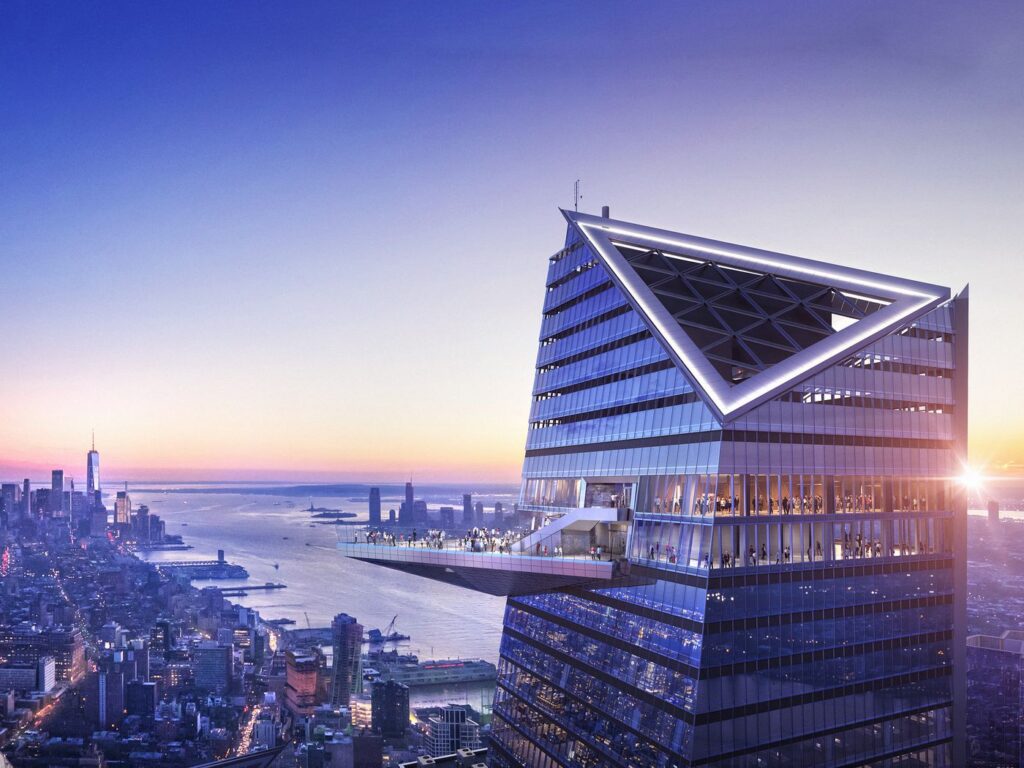
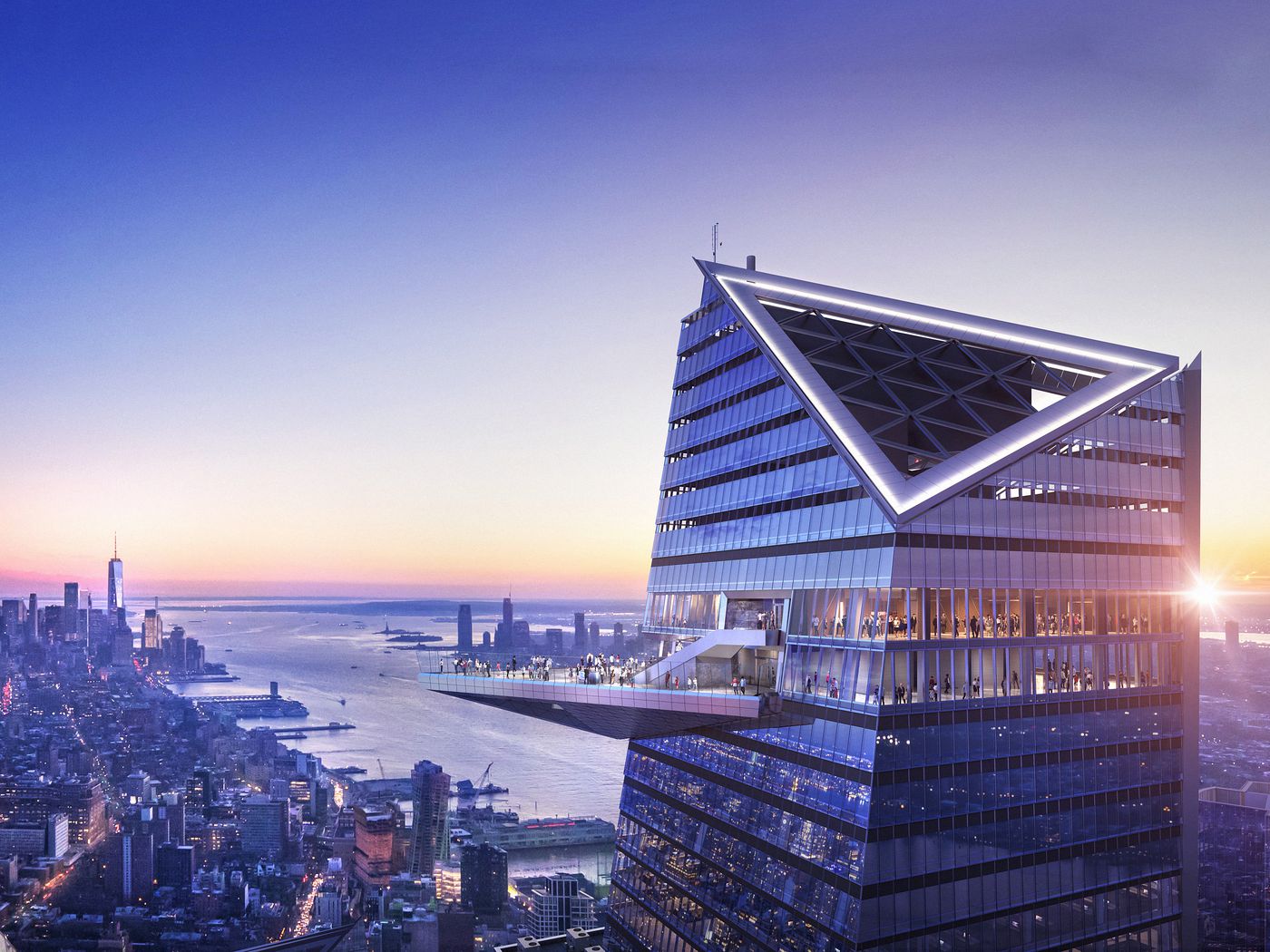
Hudson Yards is one of the largest private real estate redevelopment projects in the United States. What was once an industrial rail yard has been transformed into a thriving mixed-use district featuring luxury residences, office towers, retail spaces, cultural venues, and public parks.
The project showcases how strategic redevelopment can maximize land value, attract global investment, and create a vibrant community hub. Hudson Yards also integrates smart infrastructure and sustainable building systems, setting new standards for urban redevelopment.
King’s Cross Redevelopment, London
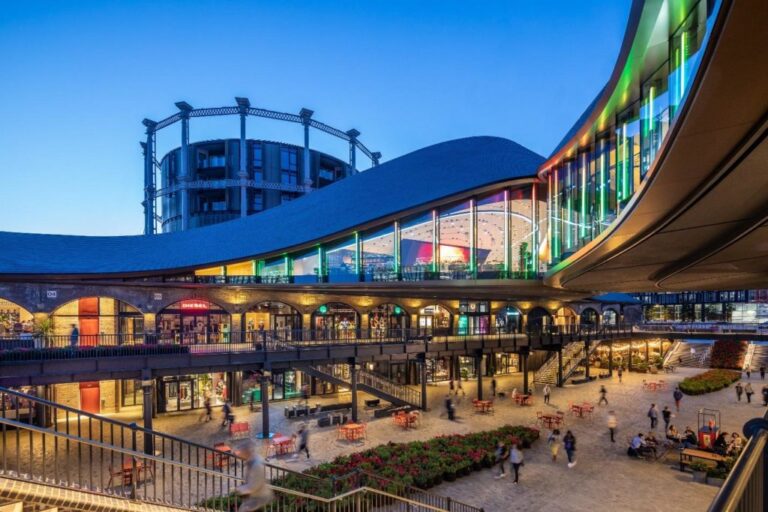
The King’s Cross area in London was once known for derelict warehouses and declining industrial activity. Today, it stands as a prime example of adaptive reuse and urban renewal.
The redevelopment transformed the district into a vibrant hub with offices for major companies like Google, residential complexes, retail stores, and educational institutions. The project preserved historical buildings while incorporating modern architecture, offering a blend of heritage and innovation.
Seoul Cheonggyecheon Stream Restoration, South Korea
Although not a building-focused project, the Cheonggyecheon redevelopment in Seoul illustrates how infrastructure revitalization can redefine a city. A once-polluted waterway hidden beneath highways was restored into a 10.9 km stream surrounded by green spaces.
This redevelopment improved air quality, reduced urban heat, and created a major public attraction. It demonstrates how redevelopment extends beyond property to include environmental restoration with significant social and economic benefits.
Docklands Redevelopment, Melbourne
Melbourne’s Docklands area was previously an underutilized industrial zone. Today, after years of redevelopment, it has become a bustling district with residential complexes, office towers, retail centers, and entertainment venues.
The Docklands project highlights the long-term nature of redevelopment, where multi-phase planning and investment reshape entire city landscapes. It has successfully attracted both residents and businesses while extending Melbourne’s central business district.
Use Cases of Real Estate Redevelopment
Addressing Housing Shortages
In rapidly growing cities, housing demand often outpaces supply. Redevelopment allows underused properties to be transformed into high-density housing, meeting the demand without requiring new land.
This strategy helps curb urban sprawl, preserve natural environments, and promote sustainable growth.
Reviving Declining Commercial Districts
Old shopping malls, warehouses, and office parks often fall into disuse as consumer habits and business needs evolve. Redeveloping these spaces into mixed-use facilities or modern business hubs can breathe new life into declining commercial districts.
Such redevelopment attracts new businesses, consumers, and investments while reducing urban blight.
Improving Environmental Quality
Redevelopment can transform polluted or contaminated sites into green spaces, residential areas, or eco-friendly business zones. Brownfield redevelopment, for example, removes hazards while creating valuable assets for communities.
This approach not only improves environmental conditions but also enhances property values and quality of life.
Benefits of Using Technology in Redevelopment
Technology plays a central role in modern redevelopment projects. Smart planning tools, advanced construction methods, and sustainable technologies ensure projects meet future needs effectively.
Smart Planning and Modeling
Developers use Building Information Modeling (BIM) and Geographic Information Systems (GIS) to visualize and optimize projects before construction begins. These technologies help identify potential issues, streamline design, and reduce costs.
By simulating urban layouts, planners can create communities that are more efficient, sustainable, and livable.
Sustainable Energy and Efficiency
Green technologies such as solar panels, smart HVAC systems, and energy-efficient lighting are now standard in redevelopment projects. These systems lower long-term operational costs while reducing environmental impacts.
Integrating sustainable technology not only benefits property owners but also aligns with global climate goals and community expectations.
Challenges in Real Estate Redevelopment
While redevelopment offers significant benefits, it also faces challenges such as high costs, lengthy approval processes, and community opposition.
Financing large-scale projects can be complex, requiring a mix of private investment, government incentives, and public support. Additionally, balancing modern needs with historical preservation often creates design and regulatory hurdles.
Despite these challenges, successful redevelopment projects demonstrate that the long-term benefits outweigh initial difficulties.
Frequently Asked Questions
What is the difference between redevelopment and renovation?
Renovation typically refers to upgrading or repairing an existing structure without major changes to its purpose or layout. Redevelopment, on the other hand, involves transforming properties through reconstruction, rezoning, or adaptive reuse to serve new purposes and meet modern needs.
Why is real estate redevelopment important for cities?
Redevelopment is essential for revitalizing declining neighborhoods, addressing housing shortages, and maximizing limited urban land. It supports economic growth, improves livability, and ensures sustainable urban development.
What types of properties are best suited for redevelopment?
Properties best suited for redevelopment include old industrial zones, abandoned commercial sites, aging residential complexes, and brownfields. These spaces often have high potential due to their central locations and underutilized land value.