Commercial Interior Painting – Complete Guide to Techniques, Benefits, and Real-World Applications
Every commercial space, from offices to retail stores, restaurants to hospitals, relies heavily on its interior design to create the right impression. Among the many elements of interior design, commercial interior painting plays one of the most crucial roles. It is more than just applying color to walls; it is about shaping brand identity, influencing customer perceptions, boosting employee productivity, and creating a long-lasting aesthetic appeal.
In this comprehensive guide, we will explore what commercial interior painting involves, the techniques and technologies that make it effective, its benefits for different types of businesses, and real-world examples of painting projects that demonstrate its importance.
What is Commercial Interior Painting?

Commercial interior painting refers to the professional application of paints and coatings inside business spaces, such as offices, stores, restaurants, hospitals, schools, and industrial facilities. Unlike residential painting, it requires specialized skills, durable materials, and strategies tailored to high-traffic areas.
The primary objective of commercial interior painting is not only aesthetic appeal but also functionality, safety, and brand representation. Businesses need colors and finishes that reflect their image while standing up to heavy use and meeting industry-specific requirements such as hygiene or fire resistance.
The Role of Color in Commercial Spaces

Colors have a powerful psychological impact, and in commercial settings, they can directly affect customer behavior and employee morale.
- For Offices: Soft, neutral tones often promote focus and calmness, while accent walls with vibrant colors can boost creativity and energy.
- For Retail Stores: Bright, bold colors may encourage spending, while muted tones create a sense of elegance and exclusivity.
- For Restaurants: Warm tones like reds and oranges can stimulate appetite, whereas greens and blues evoke freshness and relaxation.
- For Healthcare Facilities: Light blues and greens are widely used because they promote calmness and healing.
By choosing the right palette, businesses can align their interiors with brand values and create a positive atmosphere that resonates with employees, customers, and visitors.
Techniques in Commercial Interior Painting

Commercial painting is not limited to brushes and rollers. Professionals use multiple techniques depending on the project size, material, and design goals.
- Spray Painting: Commonly used for large surfaces, it delivers smooth and consistent coverage in a shorter time.
- Roller Application: Ideal for walls and ceilings, rollers ensure even paint distribution in spaces requiring durability.
- Special Finishes: Faux finishes, textured coatings, and metallic paints create unique visual effects that elevate branding.
- Protective Coatings: In high-traffic areas, protective finishes increase durability against scratches, stains, and wear.
Each technique is chosen based on the functional and aesthetic demands of the project, ensuring that the results last and remain visually appealing.
Real-World Examples of Commercial Interior Painting Projects
Example 1: Office Headquarters Rebranding
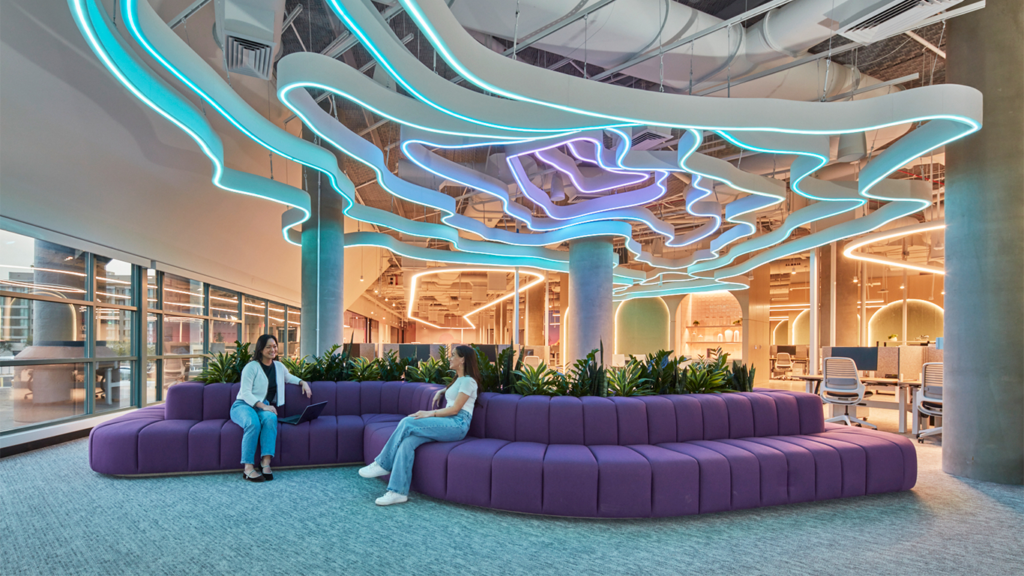
When a large technology company rebranded, commercial interior painting became a central part of the transformation. The painting team applied the company’s new color palette across open-plan workspaces, meeting rooms, and common areas.
The consistent use of brand colors reinforced identity among employees and visitors, while accent walls highlighted collaborative spaces. This project demonstrated how painting can serve as a powerful branding tool beyond signage and marketing materials.
Example 2: Restaurant Interior Makeover
A mid-sized restaurant chain renovated its interiors by updating wall colors to warmer shades of red and orange. Combined with modern lighting, the new palette created a welcoming environment that encouraged longer stays and increased customer satisfaction.
The painting project also included protective coatings for durability in high-traffic dining areas. This case illustrates how commercial interior painting can directly influence customer experience and business performance.
Example 3: Healthcare Facility Renovation
In a healthcare facility upgrade, professional painters used light blue and green tones in patient rooms and waiting areas. These colors were chosen for their proven calming effects, helping patients feel more relaxed during treatment.
Additionally, antimicrobial coatings were applied to surfaces, aligning with hygiene standards and reducing the spread of bacteria. This project shows how painting choices can extend beyond aesthetics to support health and safety.
Example 4: Retail Store Branding Update
A fashion retailer sought to strengthen its visual identity by repainting its interiors to match its brand’s vibrant color scheme. The project involved custom color matching and the use of durable coatings to withstand high customer traffic.
The new design reinforced brand recognition, improved the shopping atmosphere, and differentiated the store from competitors. Painting in this context became a direct extension of marketing strategy.
Benefits of Technology in Commercial Interior Painting
Technology has revolutionized the painting industry, making it more efficient, precise, and customer-focused.
- Digital Color Visualization: Advanced software allows businesses to preview color schemes on 3D models of their interiors before painting begins. This minimizes mistakes and ensures alignment with branding goals.
- Automated Spray Systems: Robotics and automated sprayers enhance efficiency in large spaces, reducing labor time and ensuring uniform application.
- Eco-Friendly Paint Innovations: Technology has led to the development of low-VOC and zero-VOC paints that improve indoor air quality and meet sustainability standards.
- Moisture and Air Quality Sensors: In some projects, sensors are used to monitor conditions to ensure paint adhesion and durability.
These advancements enable commercial painters to deliver projects faster, safer, and with a higher level of customization.
Practical Benefits of Commercial Interior Painting
Enhancing Brand Identity
Painting helps businesses communicate their identity to customers and employees. Through carefully selected colors, a company can convey professionalism, creativity, or hospitality.
Increasing Employee Productivity
Workplace studies show that environments painted in appropriate tones can improve focus, reduce stress, and boost creativity. This makes painting a direct investment in workforce performance.
Improving Customer Experience
In retail and hospitality, the interior ambiance significantly impacts how long customers stay and how much they spend. A well-painted environment creates positive impressions and encourages repeat visits.
Protecting and Preserving Surfaces
Commercial interior painting also provides a protective layer against wear, stains, and damage, ensuring that walls and surfaces remain functional and attractive over time.
Real-Life Use Cases for Commercial Interior Painting
Solving Outdated Branding Issues
Businesses that undergo rebranding often face the challenge of outdated interiors. Commercial painting solves this problem by refreshing spaces quickly and aligning them with the new corporate image.
Addressing Poor Customer Engagement
Restaurants, shops, or service businesses struggling with customer engagement can use painting as a cost-effective renovation. Updated colors can instantly modernize spaces and attract new clientele.
Improving Workplace Morale
Companies facing low employee morale can use painting as part of an office revamp, introducing uplifting and motivating color schemes that make the workplace more inviting.
Meeting Regulatory Standards
Healthcare, education, and industrial facilities often require paints that meet fire resistance or antimicrobial standards. Professional commercial painting ensures compliance while maintaining aesthetics.
Why Commercial Interior Painting is Essential for Businesses
Commercial interior painting goes beyond aesthetics it is a strategic investment. From reinforcing branding to improving employee satisfaction, creating customer-friendly spaces, and ensuring compliance with safety standards, it touches every aspect of business success.
As design and technology continue to evolve, the role of painting in commercial spaces becomes even more significant. Businesses that recognize its value can create environments that not only look good but also function effectively and deliver long-term returns.
Frequently Asked Questions
1. How often should a commercial space be repainted?
It depends on usage and traffic. High-traffic businesses like restaurants or retail stores may need repainting every 3–5 years, while offices with lower traffic may last longer. The choice of paint quality also influences durability.
2. Are eco-friendly paints suitable for commercial interiors?
Yes. Modern low-VOC and zero-VOC paints provide excellent coverage and durability while improving indoor air quality. They are particularly suitable for businesses focused on sustainability or customer health.
3. Can commercial interior painting be done without disrupting business operations?
Professional painting contractors often work during off-hours or weekends to minimize disruption. Advanced tools like quick-drying paints and automated systems also allow projects to be completed faster.